Photographer - Producer
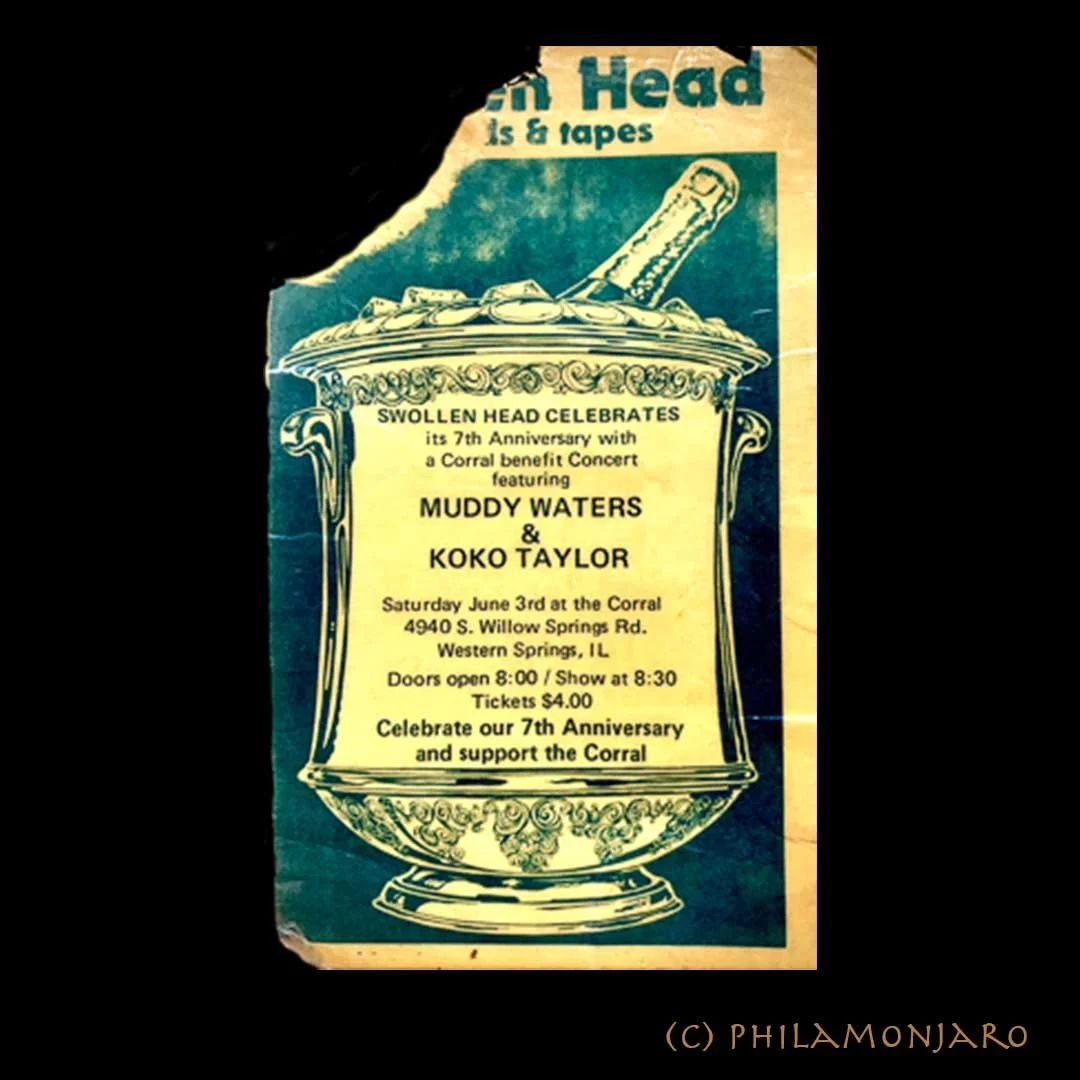
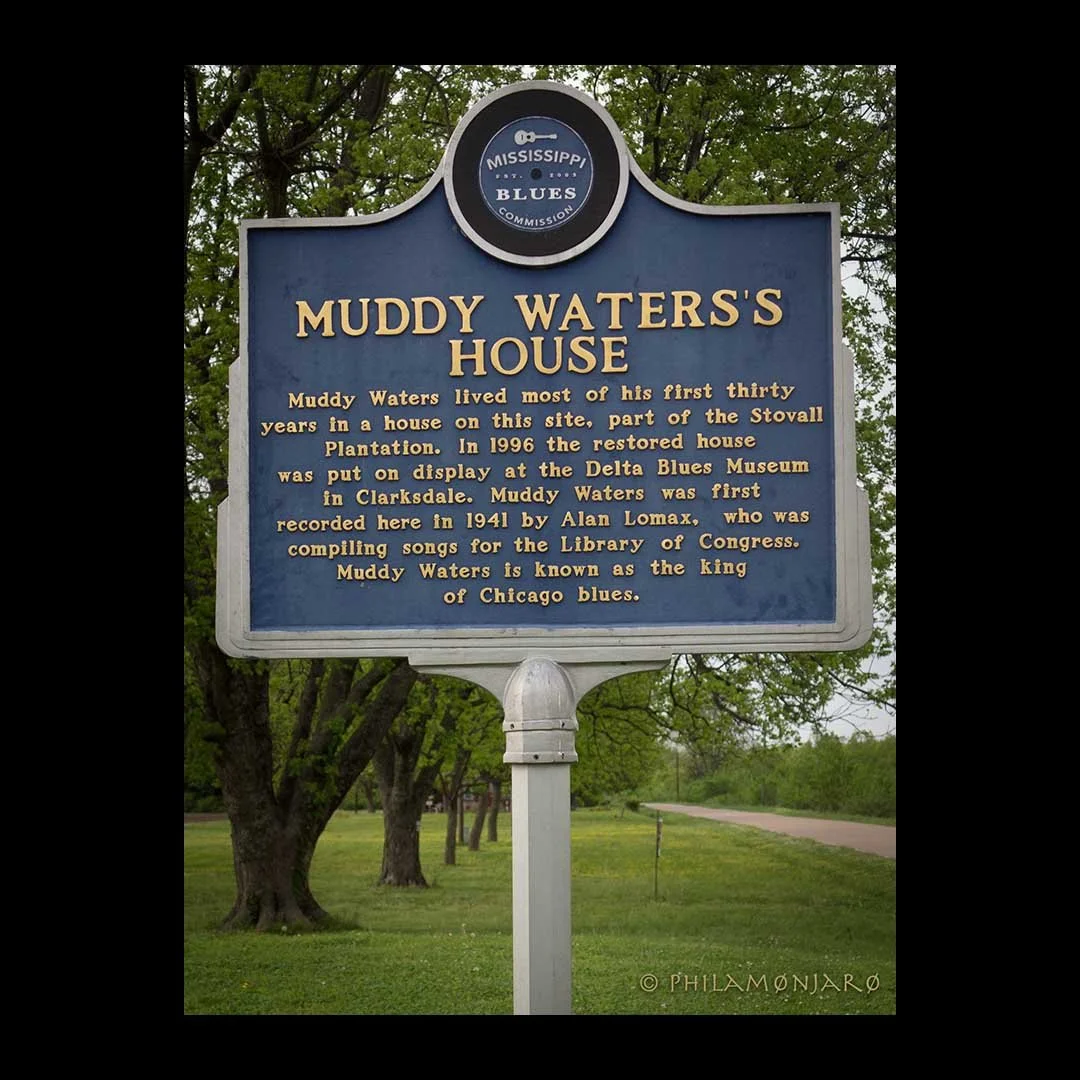
I was 14 years old when I purchased a $4.00 ticket at Swollen Head Records to see Muddy Waters at my high school in suburban Chicago. I knew I had to be there, but maybe unsure why. Fifty years ago, Muddy was sixty four years old. The same age as I am now. Muddy was great. Koko Taylor was also on the bill with special guest Willie Dixon. Not bad for my first exposure to live blues music.
“The blues had a baby and they called it rock and roll.” ~ Muddy Waters
I didn’t know anything about the original blues. Just interpretations by The Rolling Stones, Creem, Led Zeppelin and others. Next I saw Muddy with Eric Clapton and Johnny Winter. Then I saw harmonica hero Junior Wells perform with Ronnie Wood’s New Barbarian’s tour. Rock music led me to the blues. I loved learning of the origins as a rock fan. The connection across an ocean between two different cultures. The Blues Brothers were an introduction to more blues artists. Like a sponge, I soaked it all up.
Over time I learned about various blues traditions: Piedmont blues, Texas blues, delta blues, hill country blues, desert blues and Memphis blues. All from the same roots. Each branch was an exploration. Like anthropology, the blues revealed migrations and diasporas. The music of tenant farmers and the down trodden expressed in hope, celebration or despair.
On my way home from Jazz Fest New Orleans, I visited Clarksdale, Mississippi. A small rural town known as birthplace of Muddy and the crossroads where it is believed Robert Johnson sold his soul to the devil to play guitar. It was both a pilgrimage and an education.
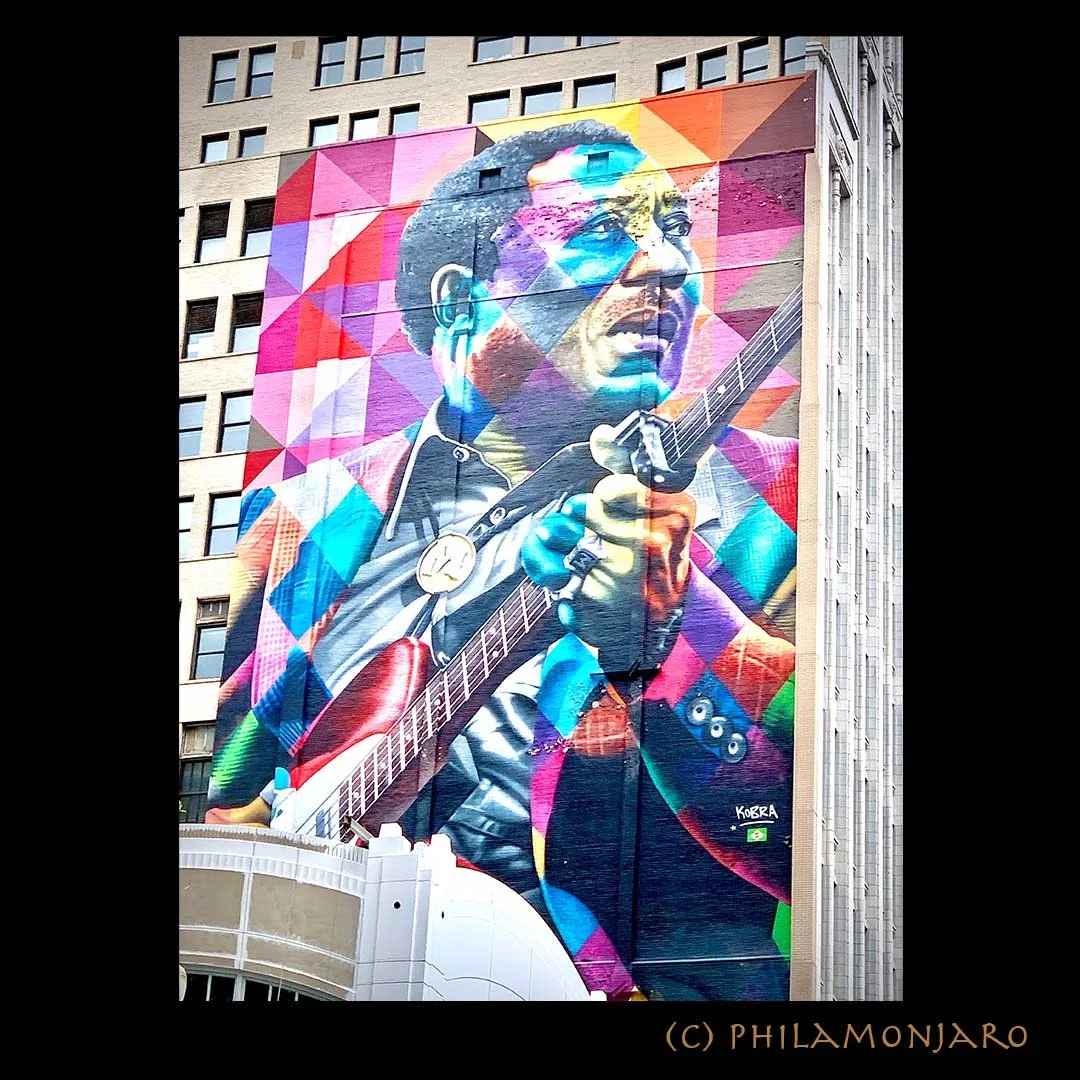
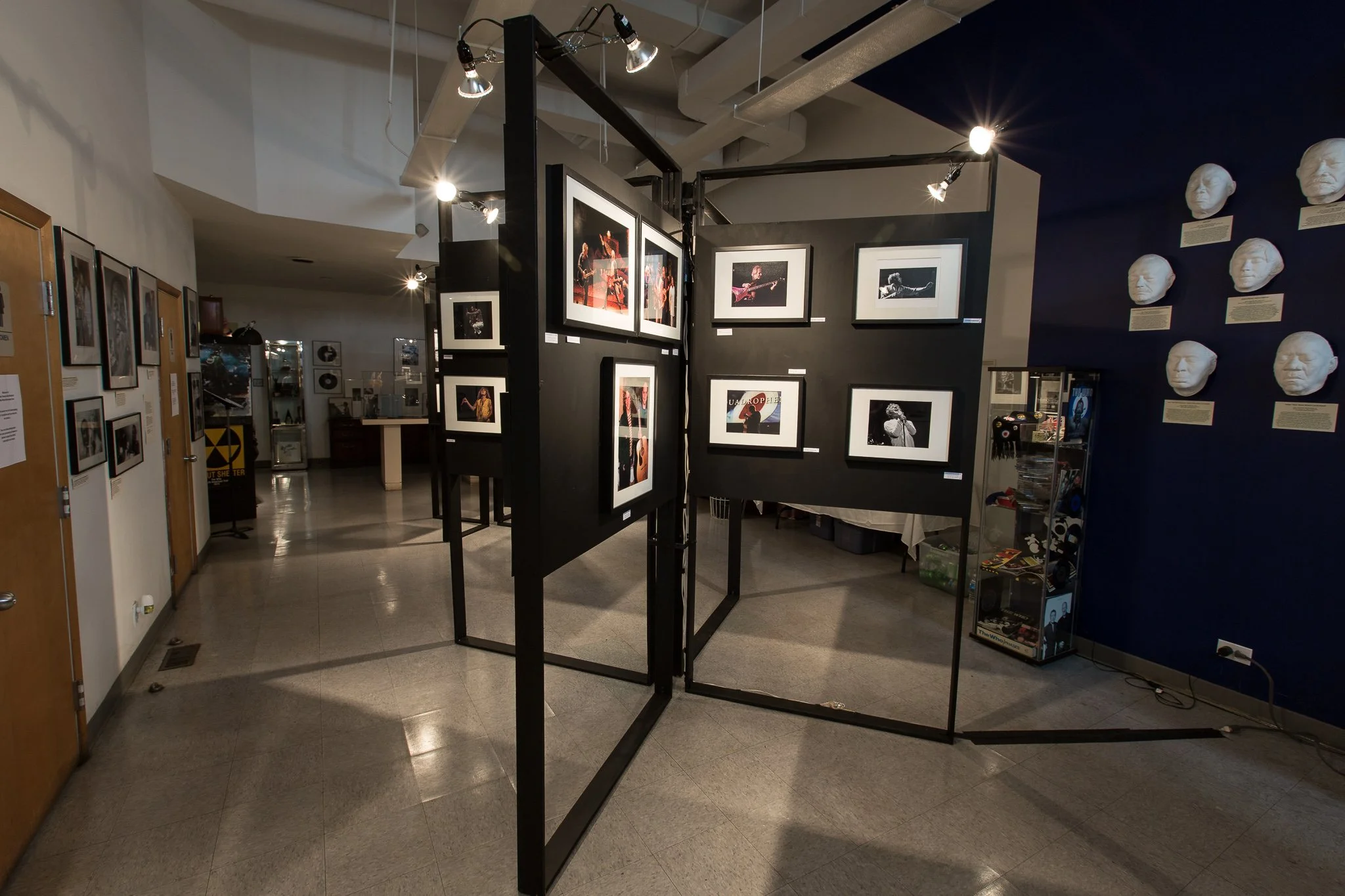
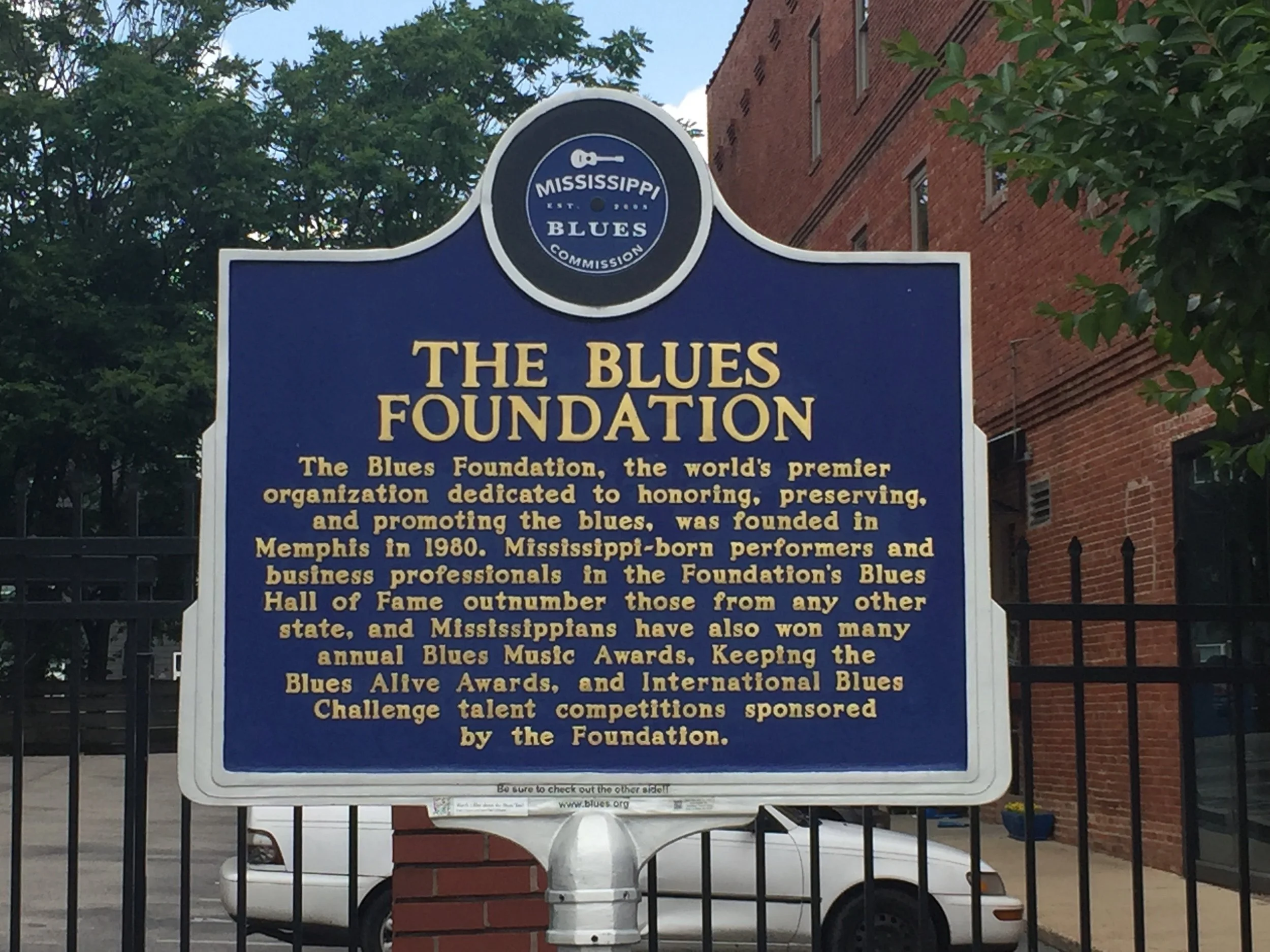
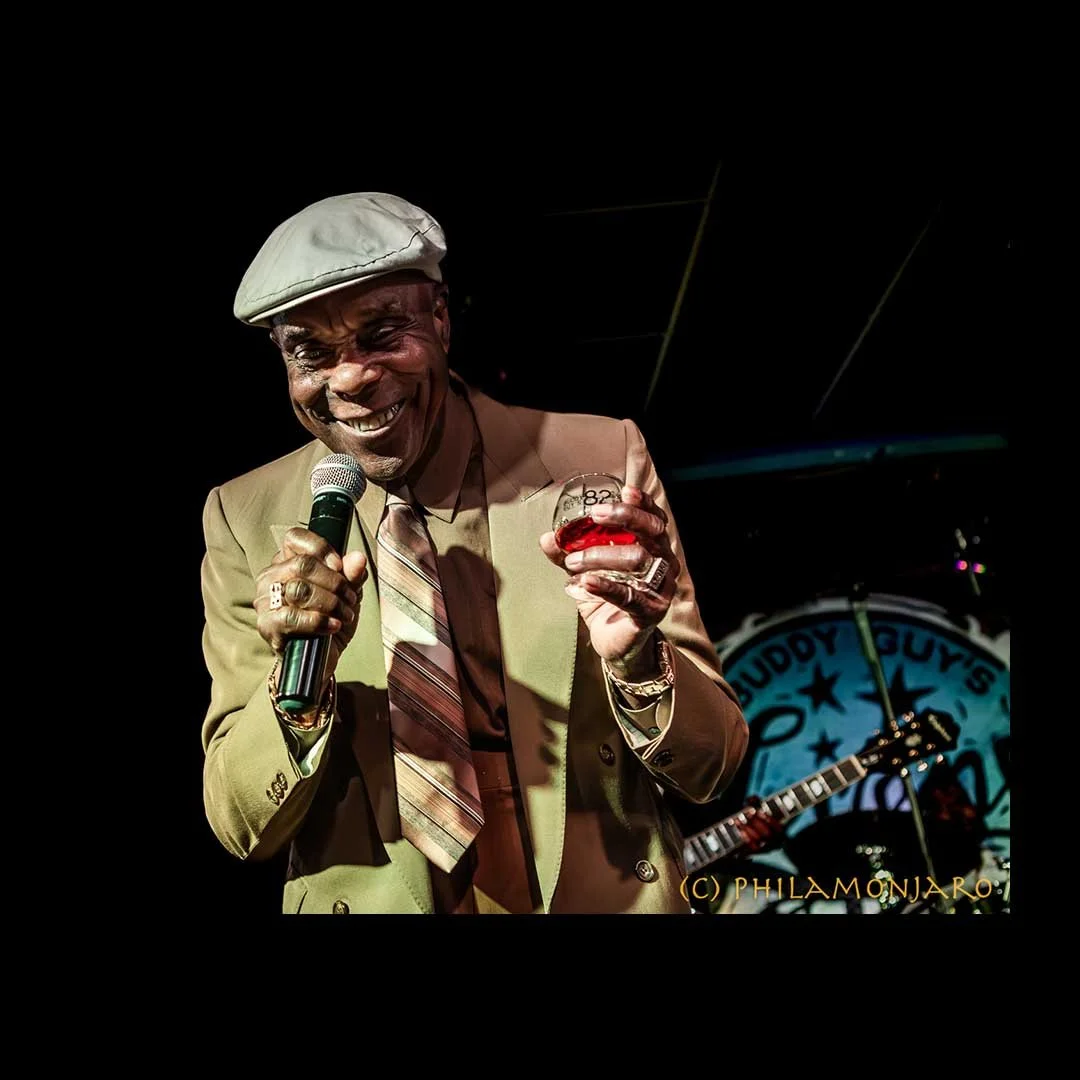
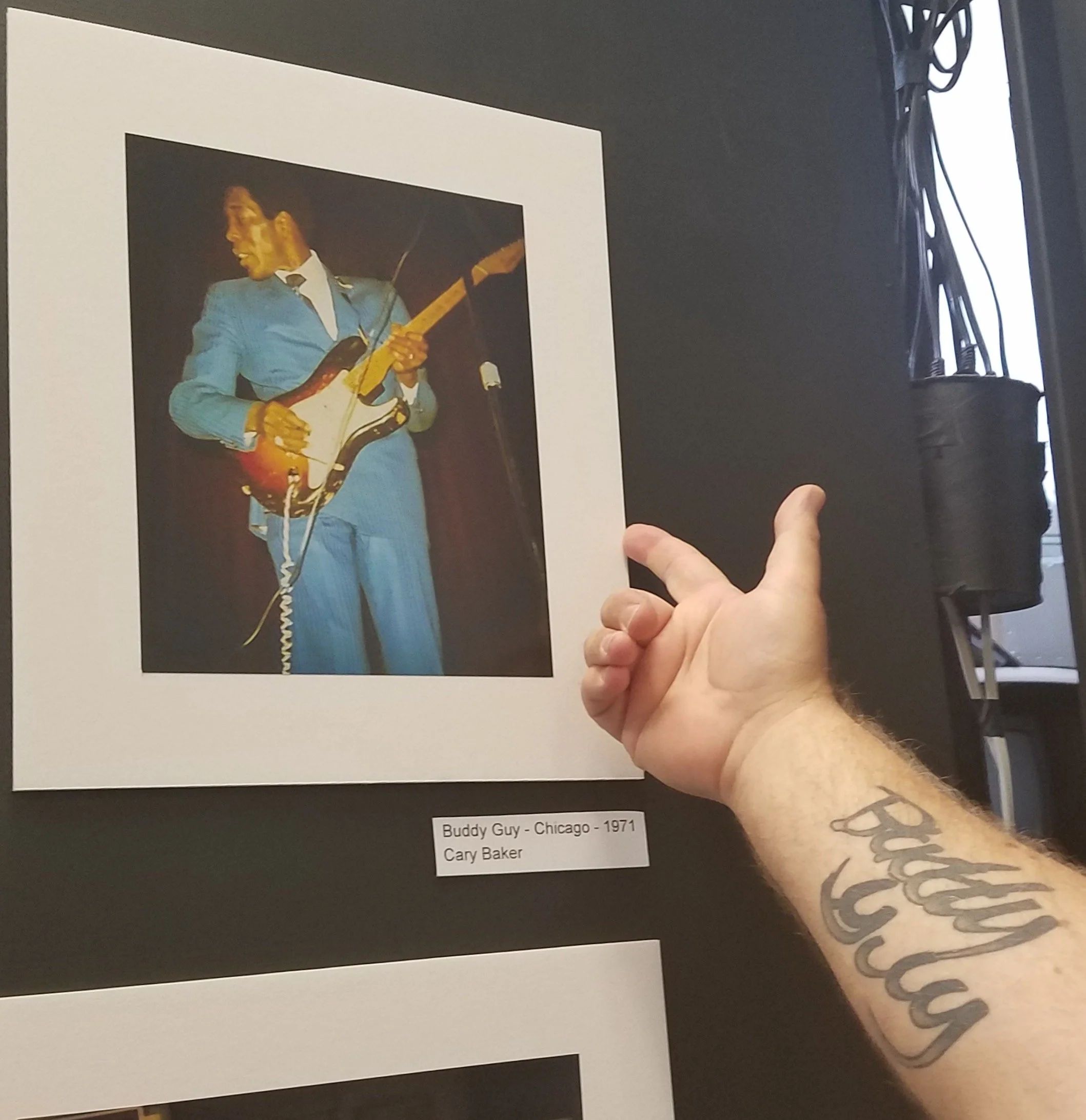
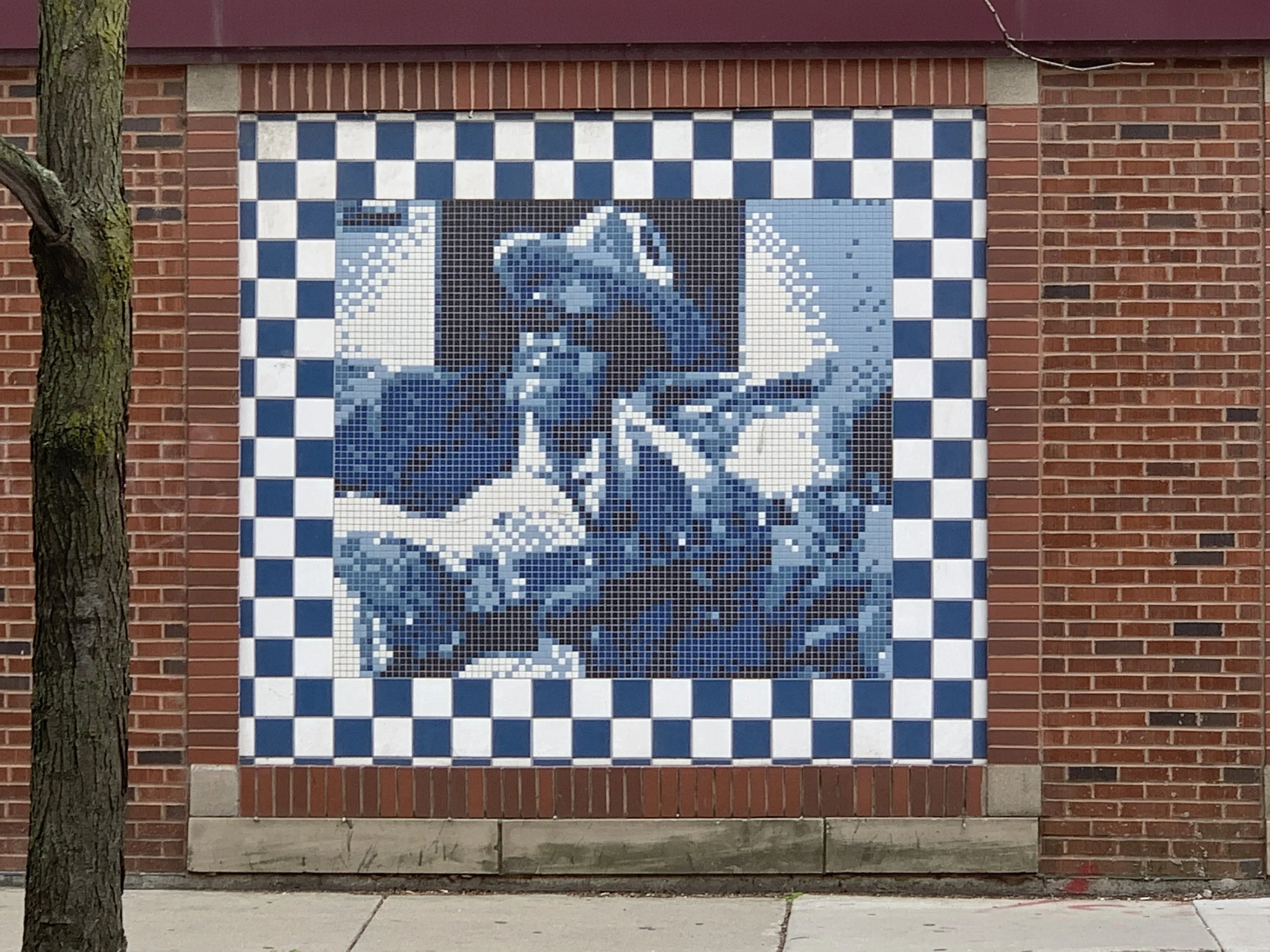
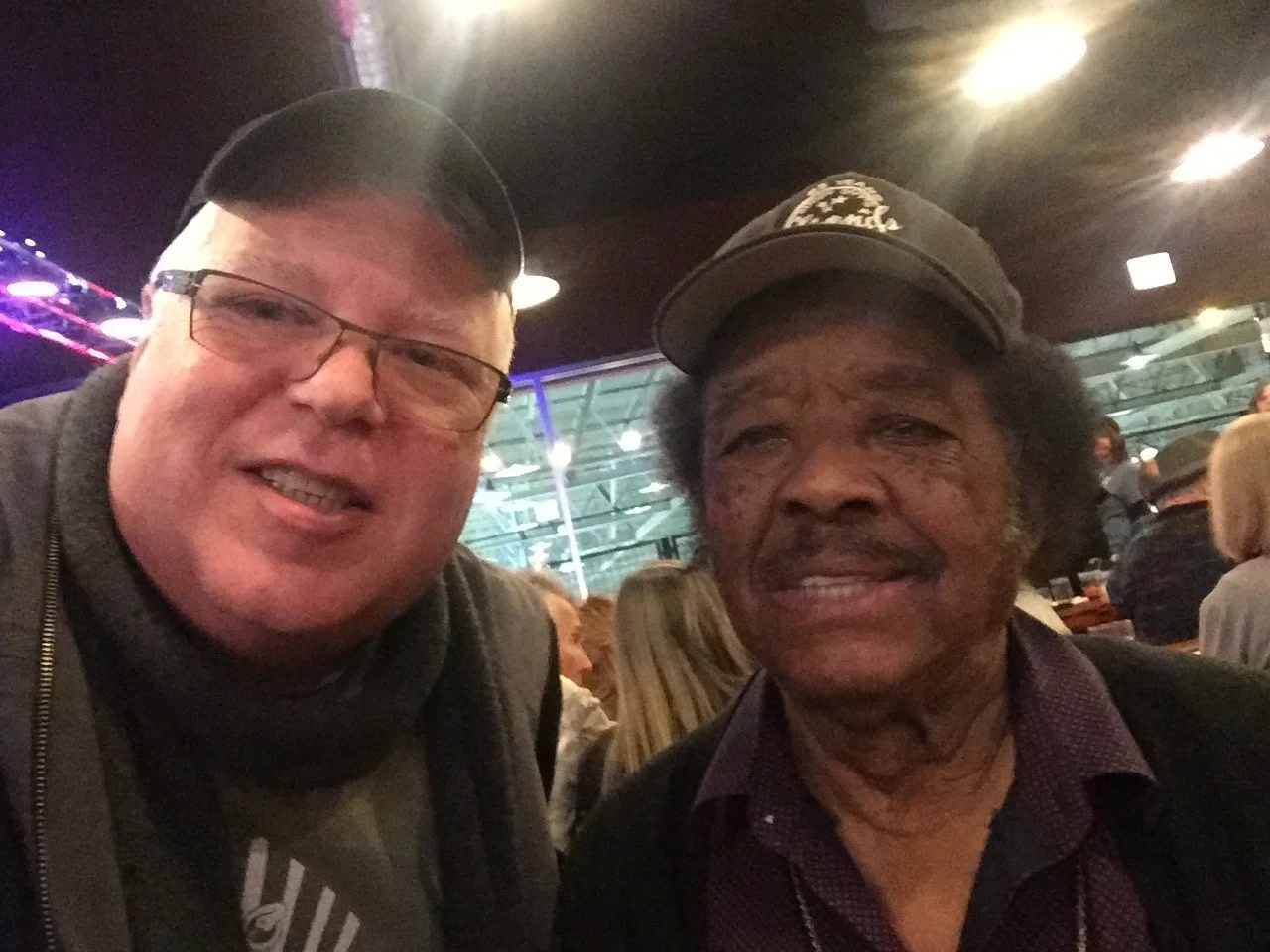
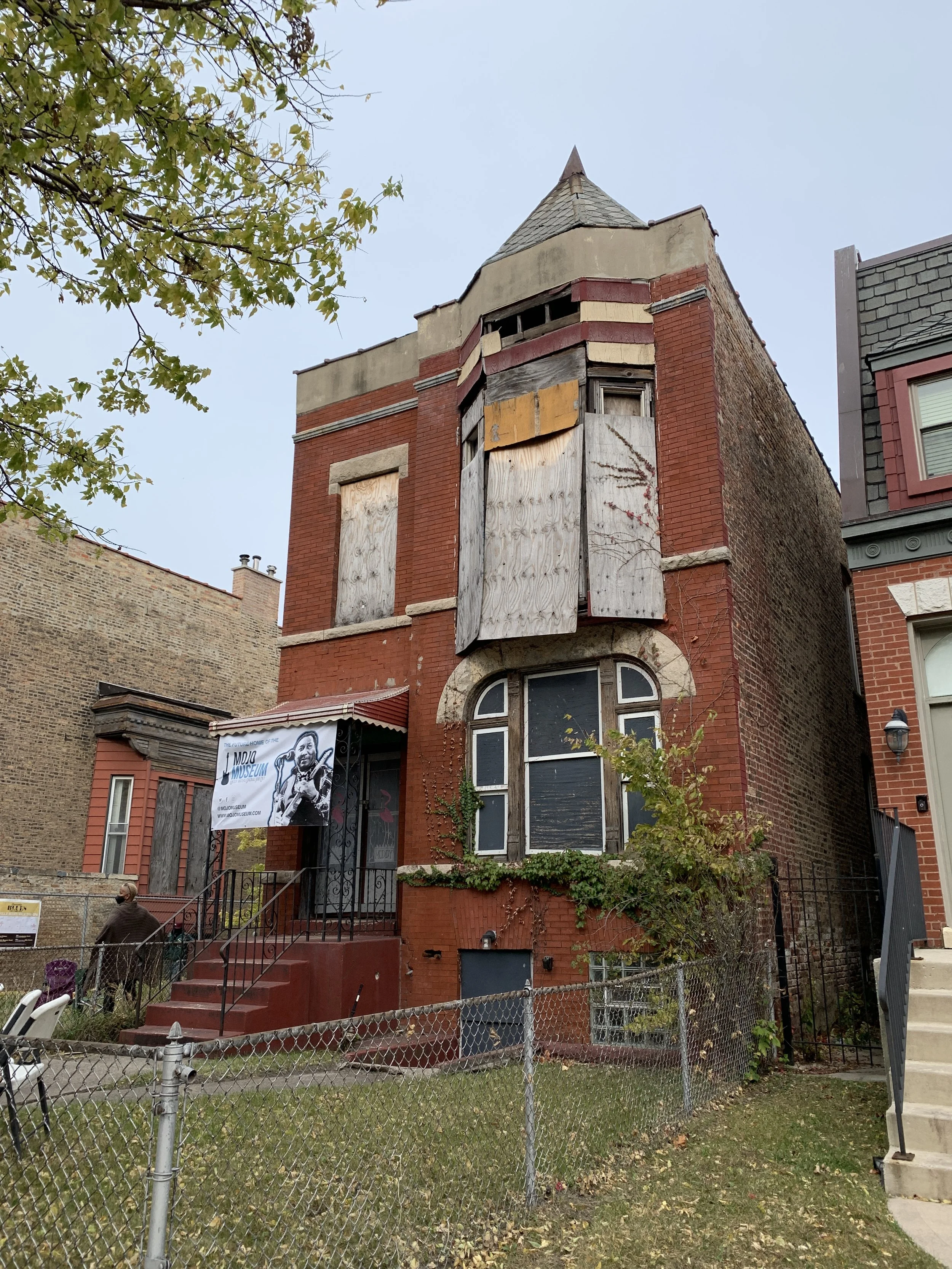
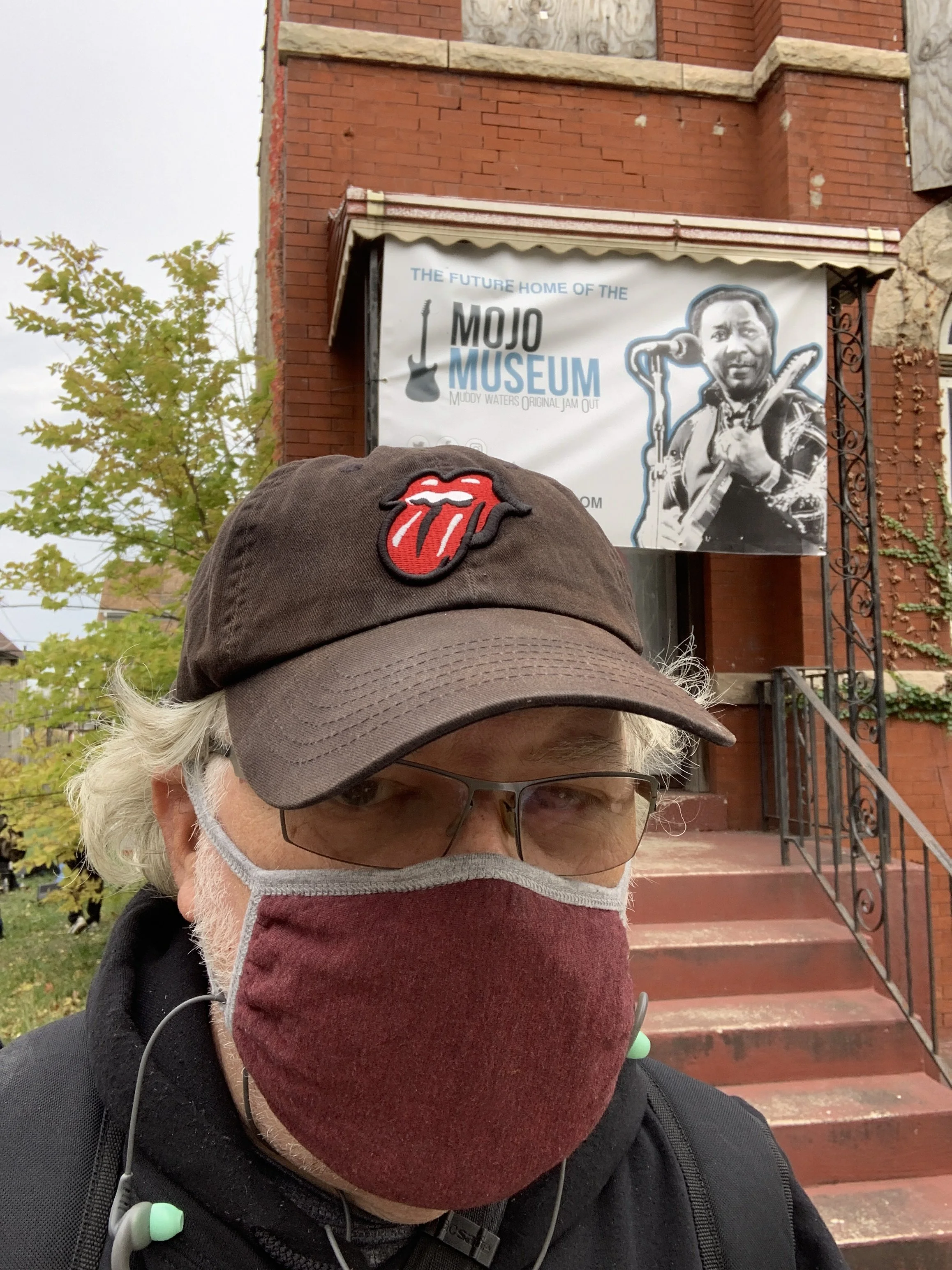
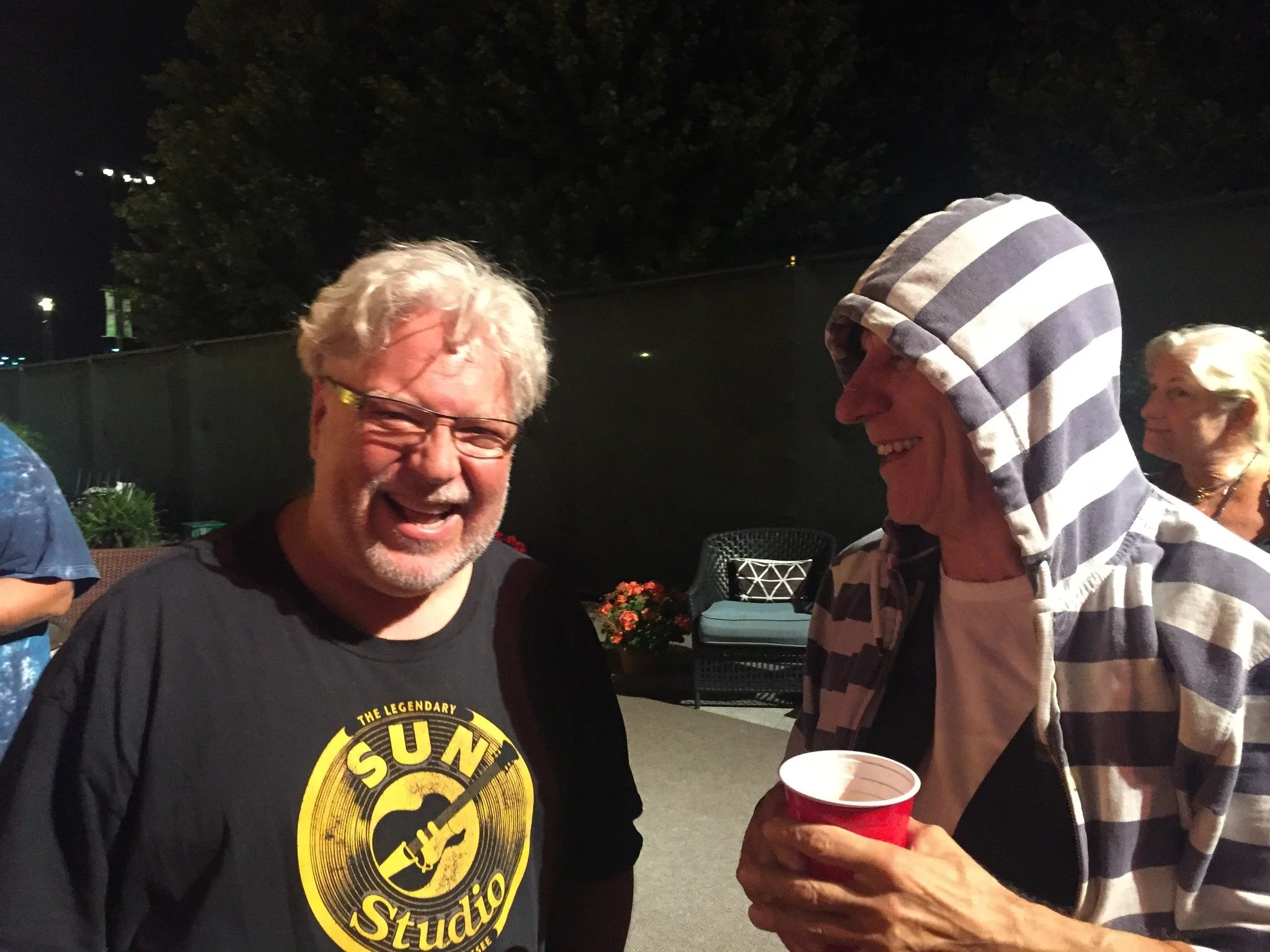
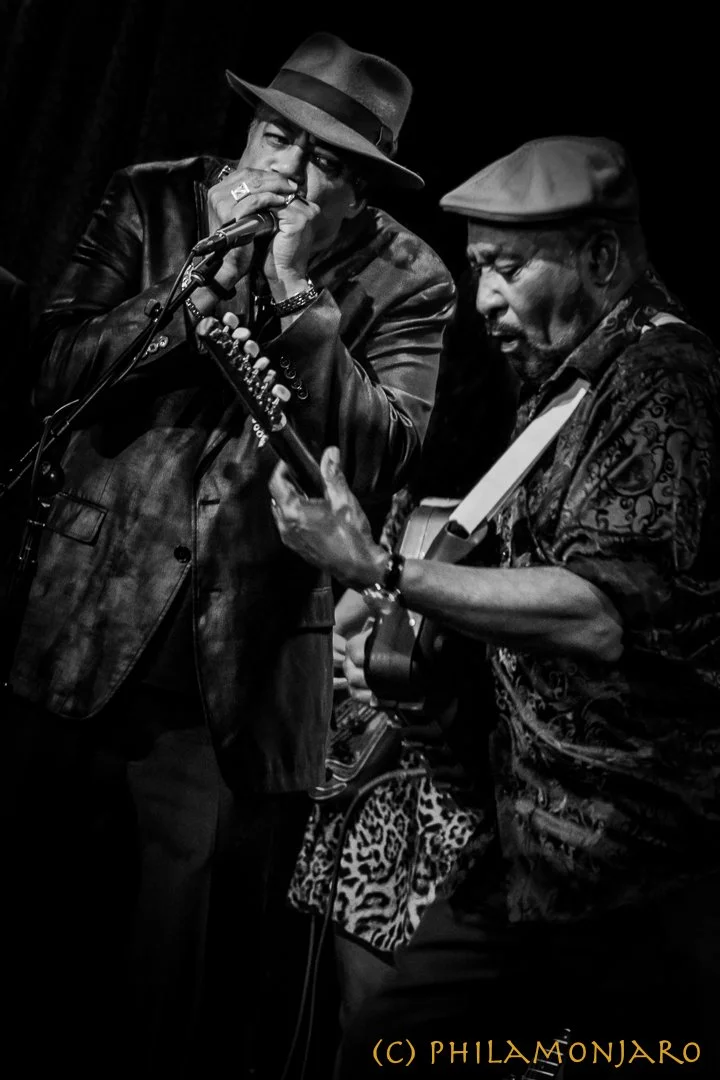
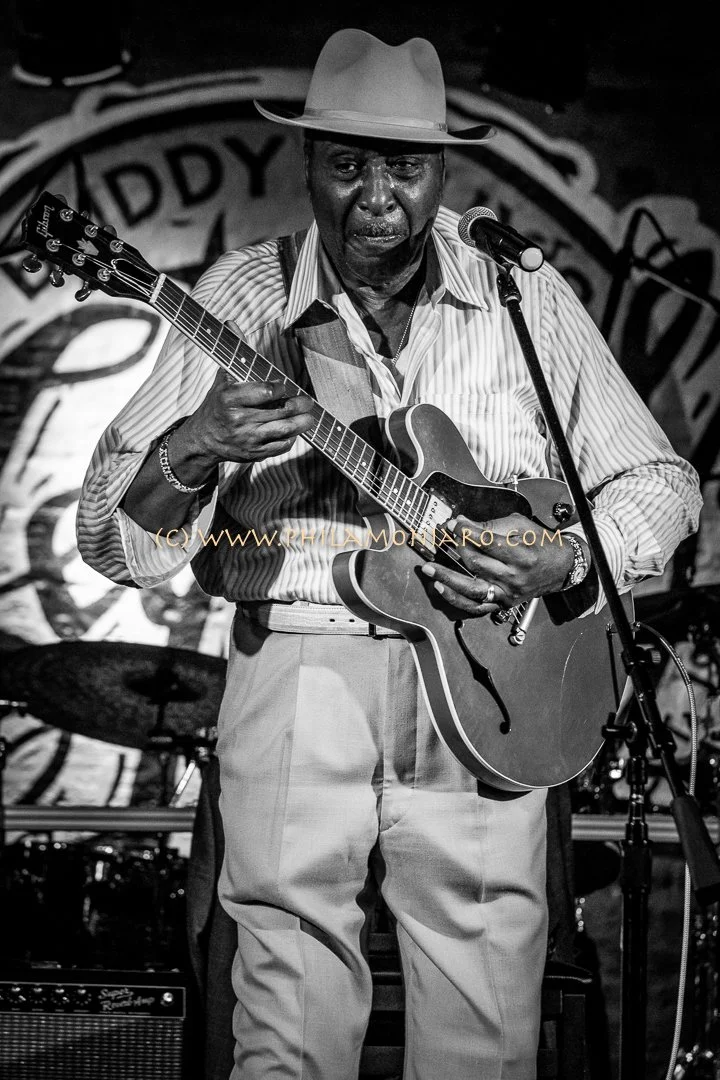
I first saw Jimmy Johnson in high school at a backyard party. The blues were everywhere in Chicago. I met the keepers of oral histories who passed down the folklore. Those who dedicated themselves to the blues: musicians, super fans, disc jockeys, songwriters, photographers, producers, authors and promoters. All informative.
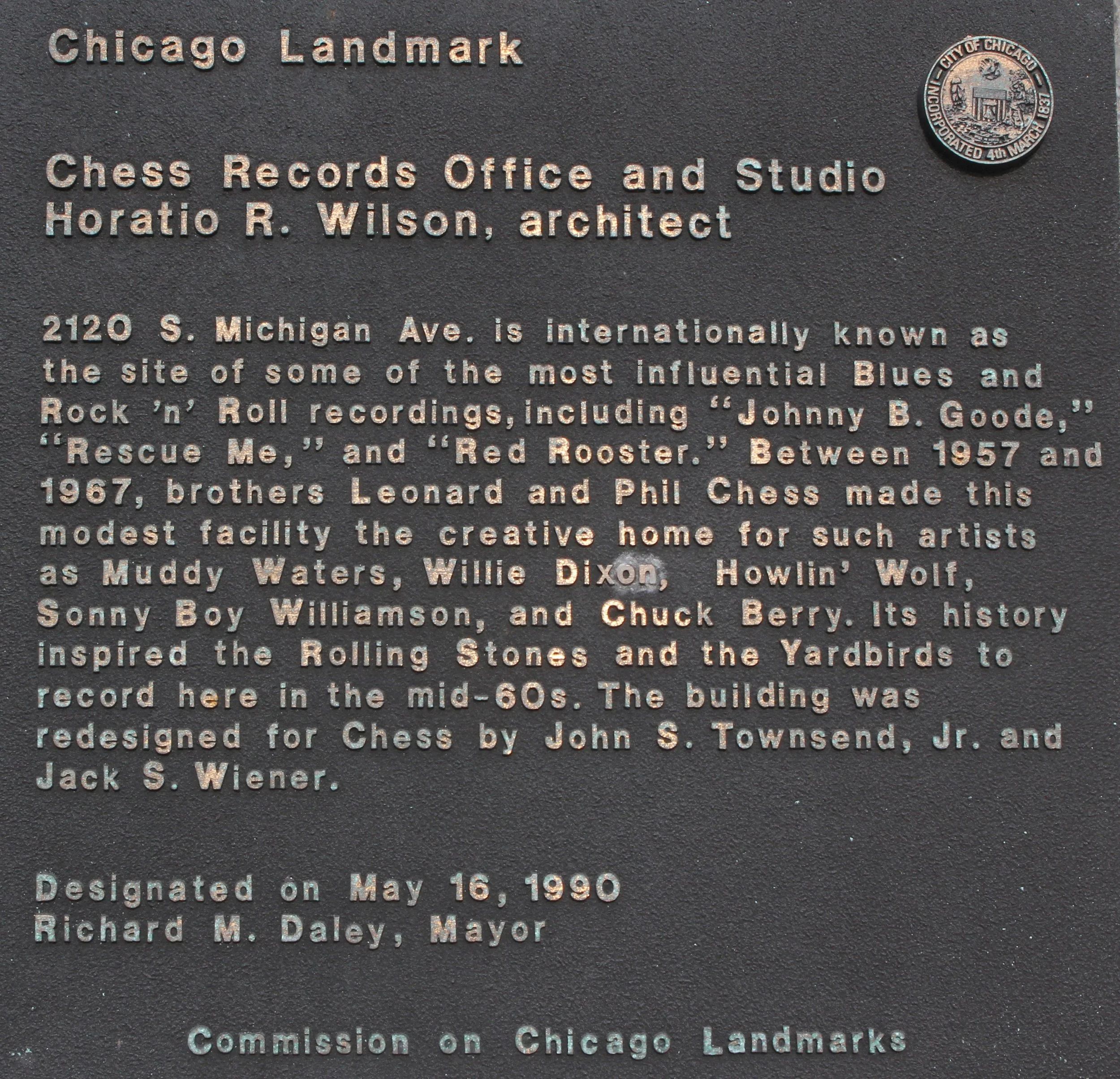
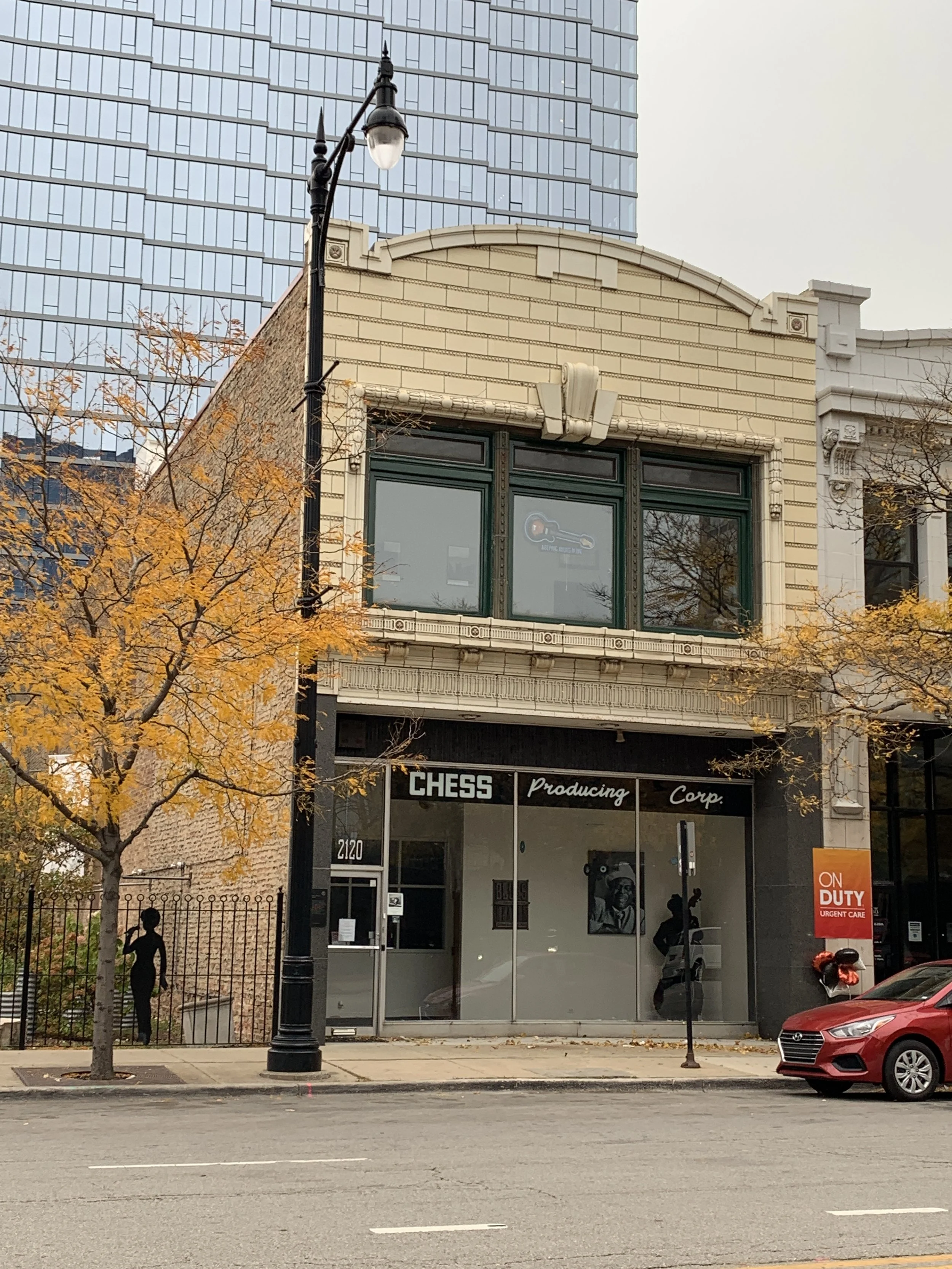
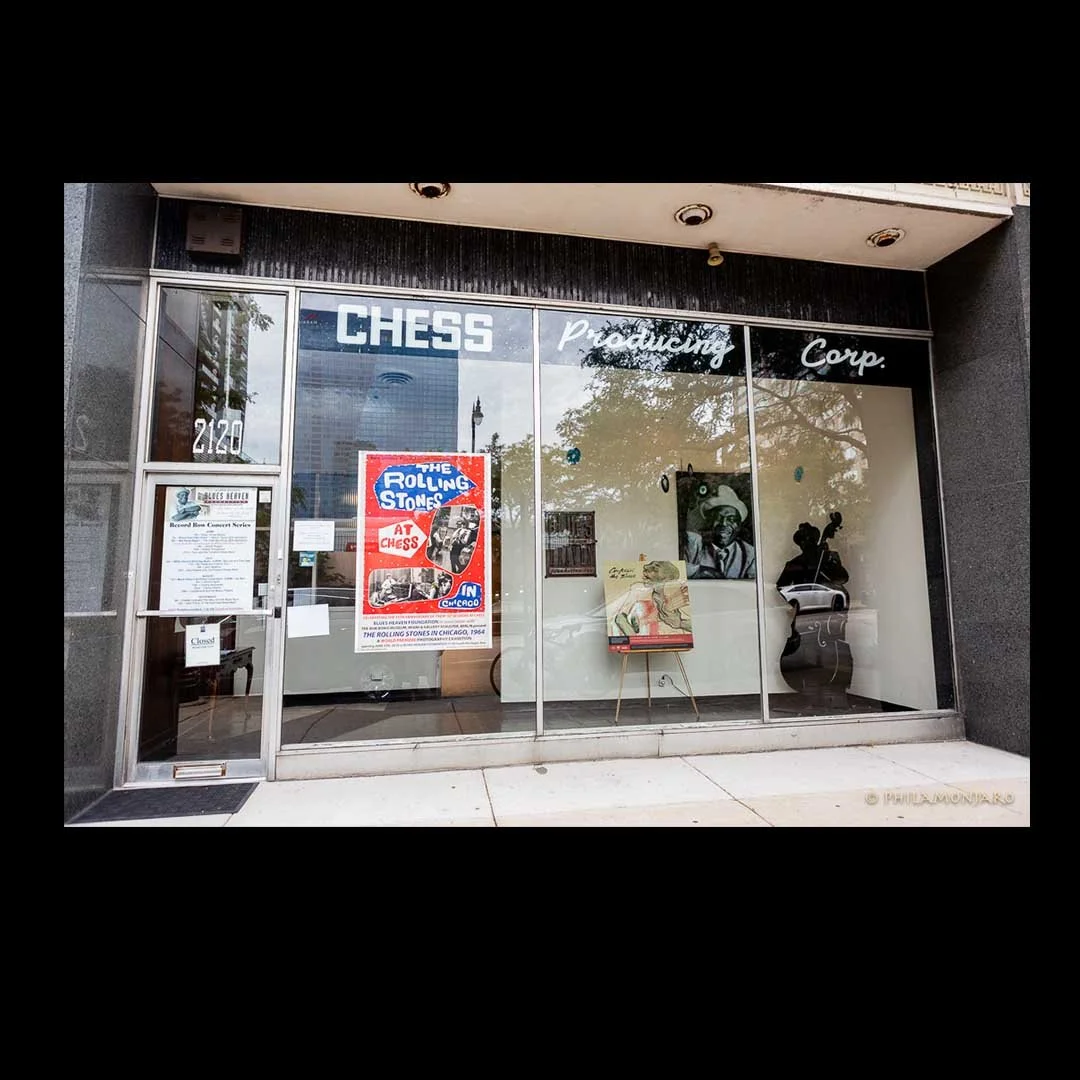
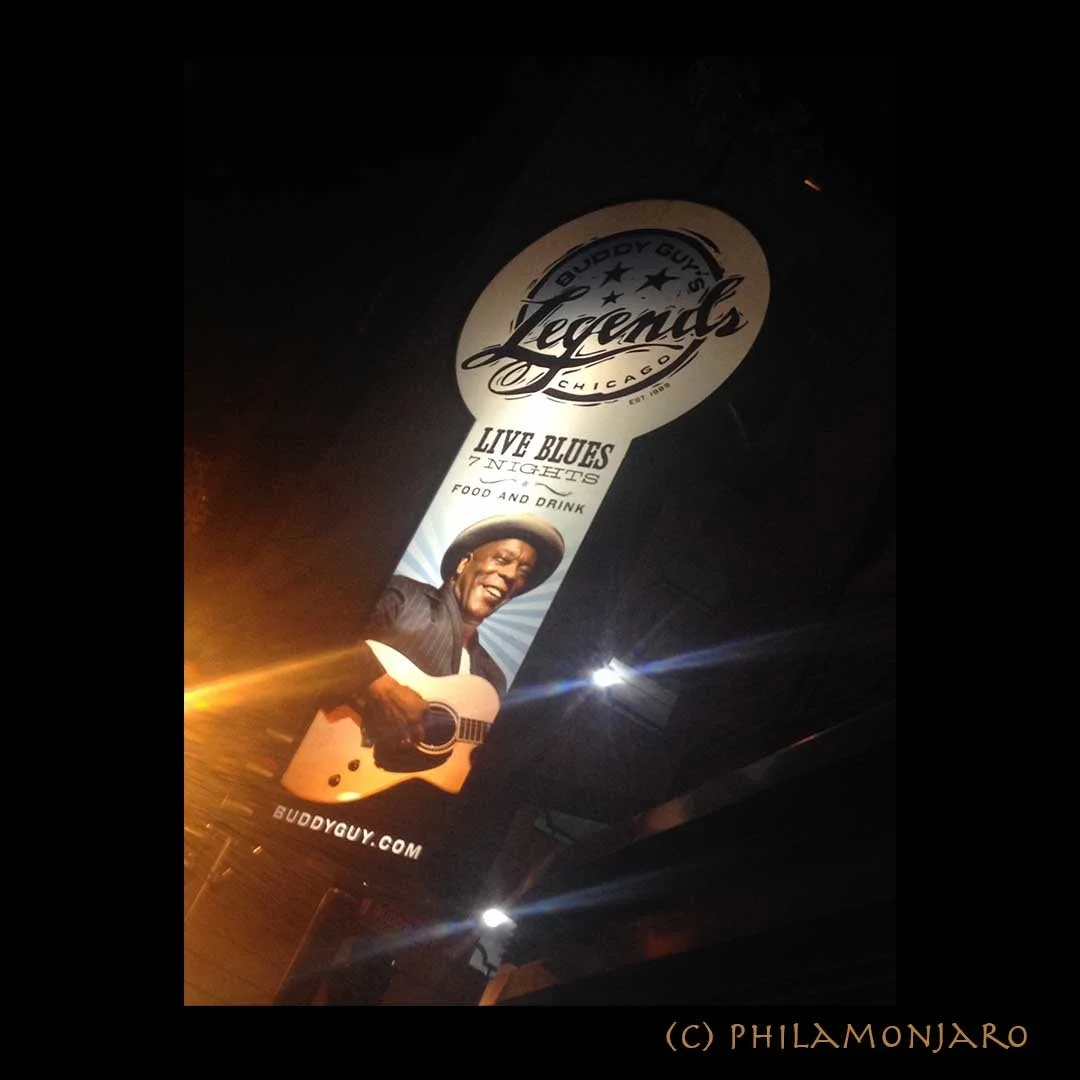
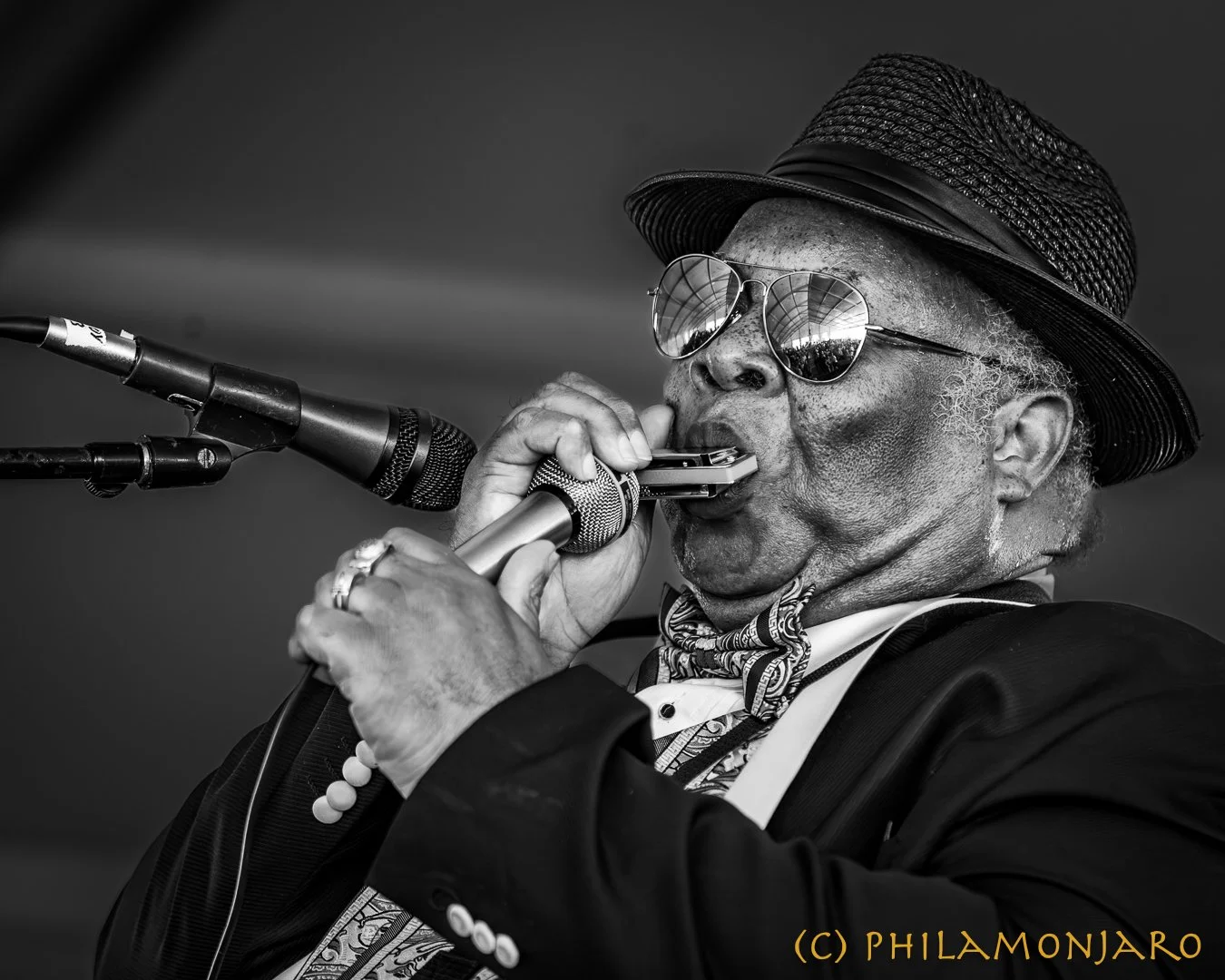
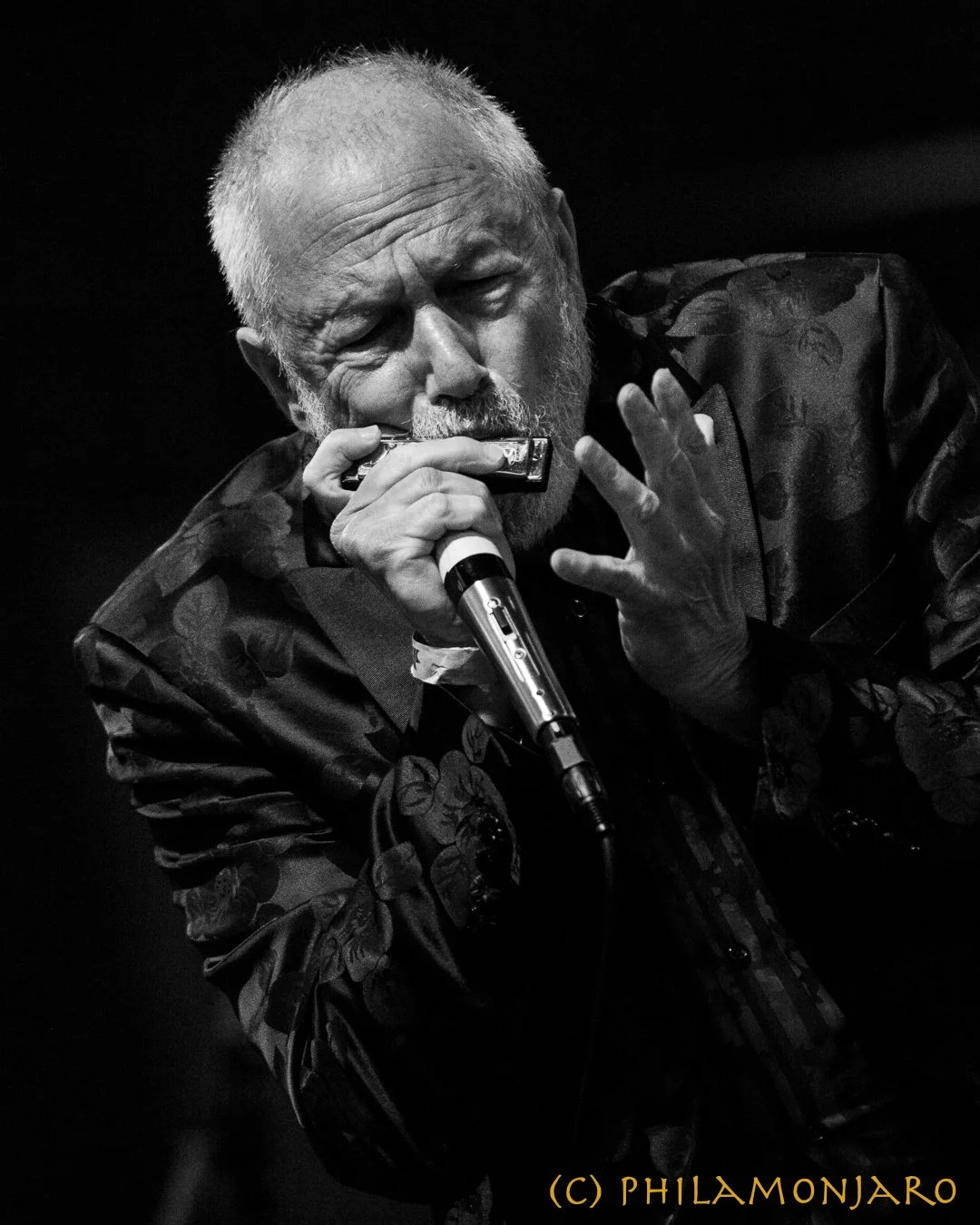
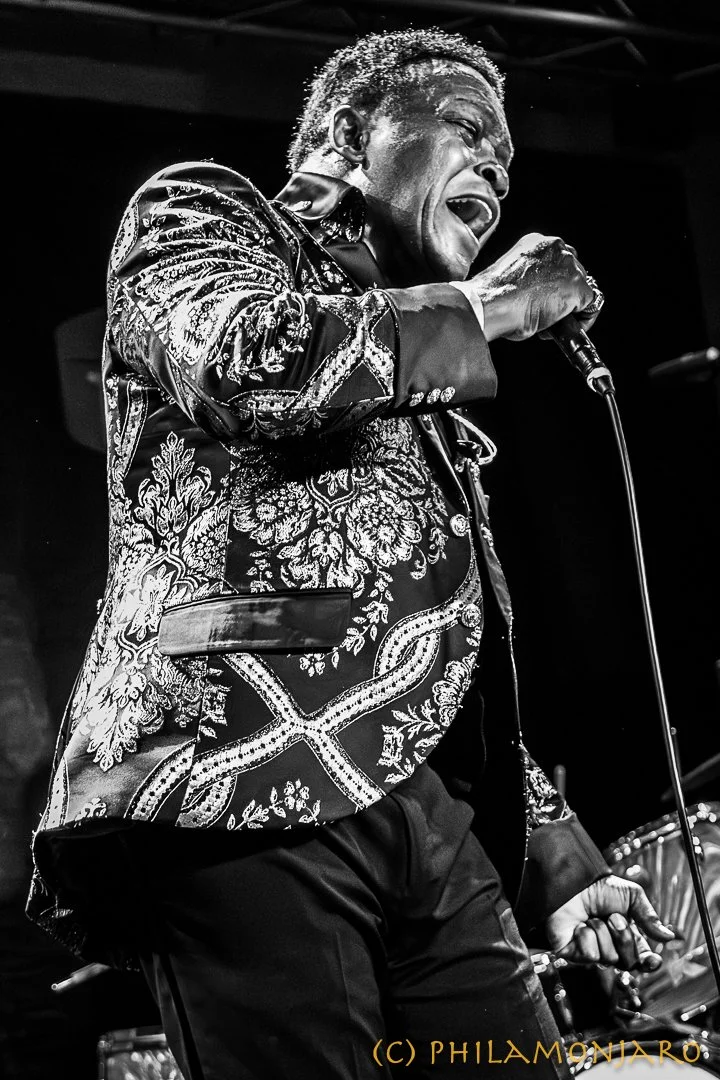
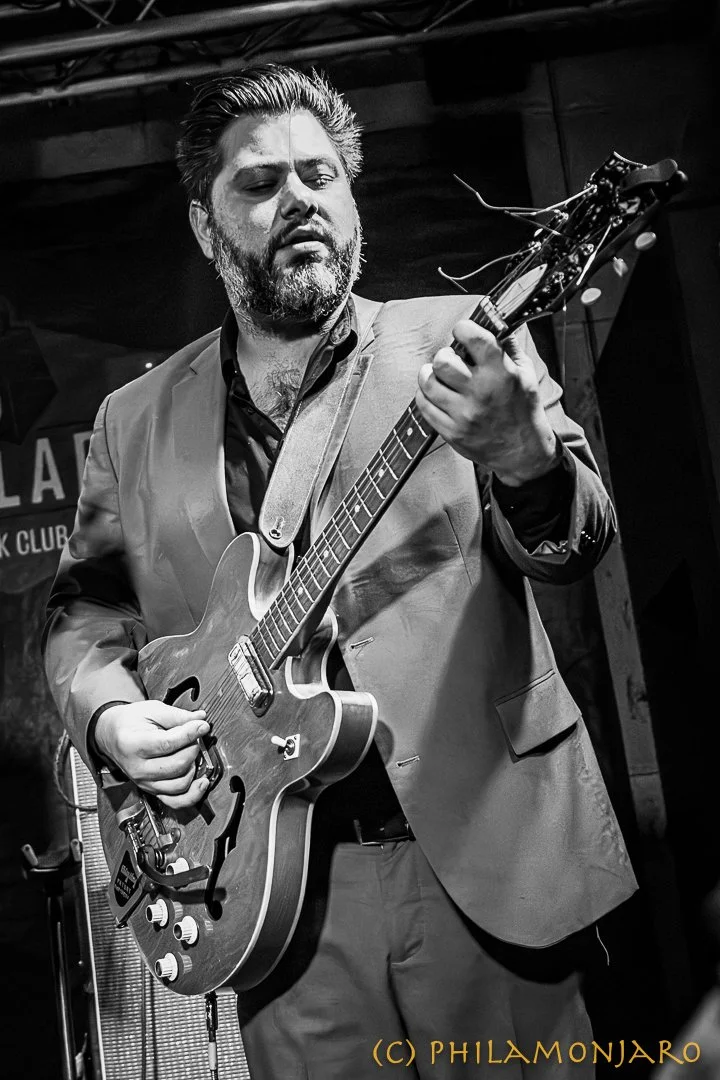
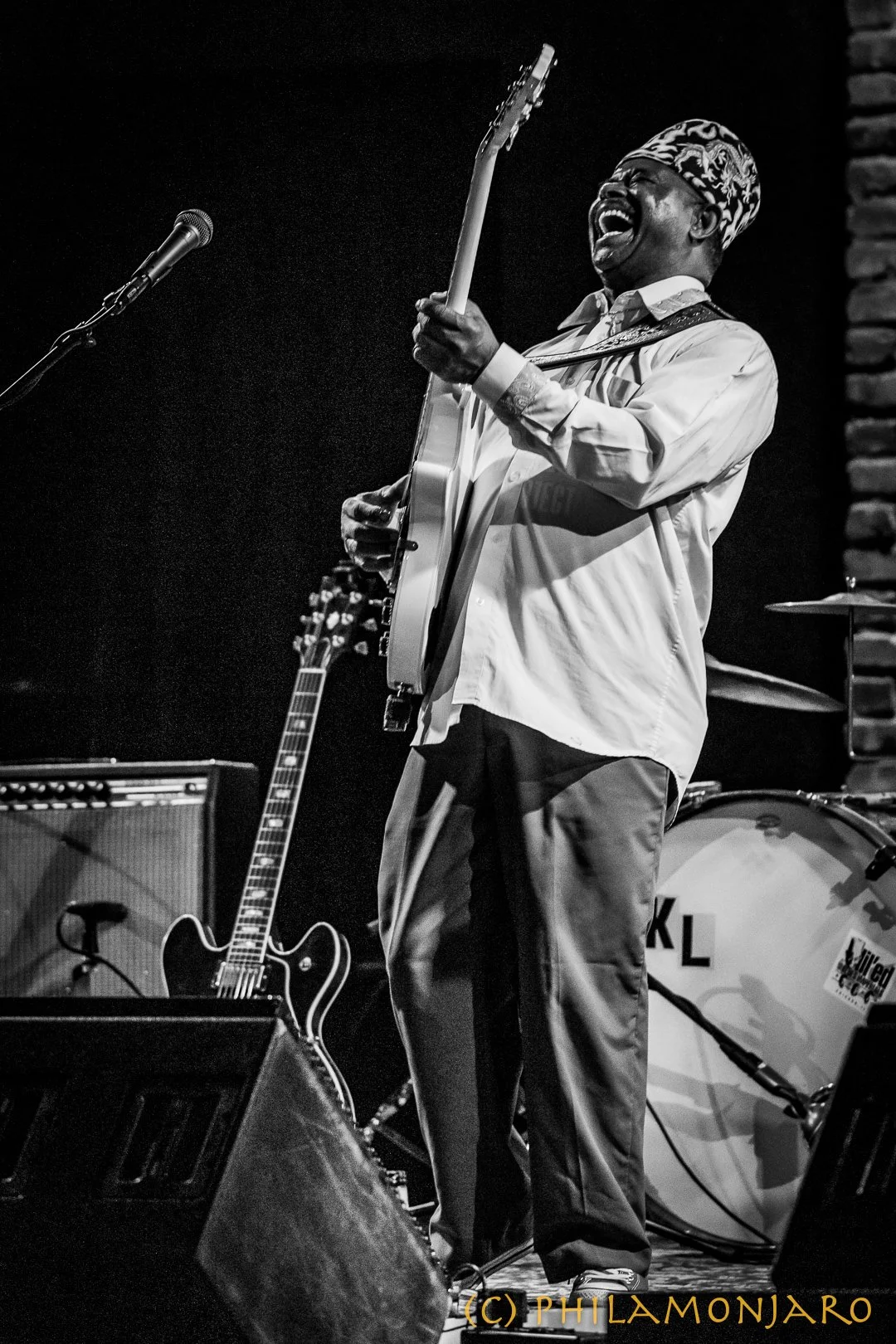
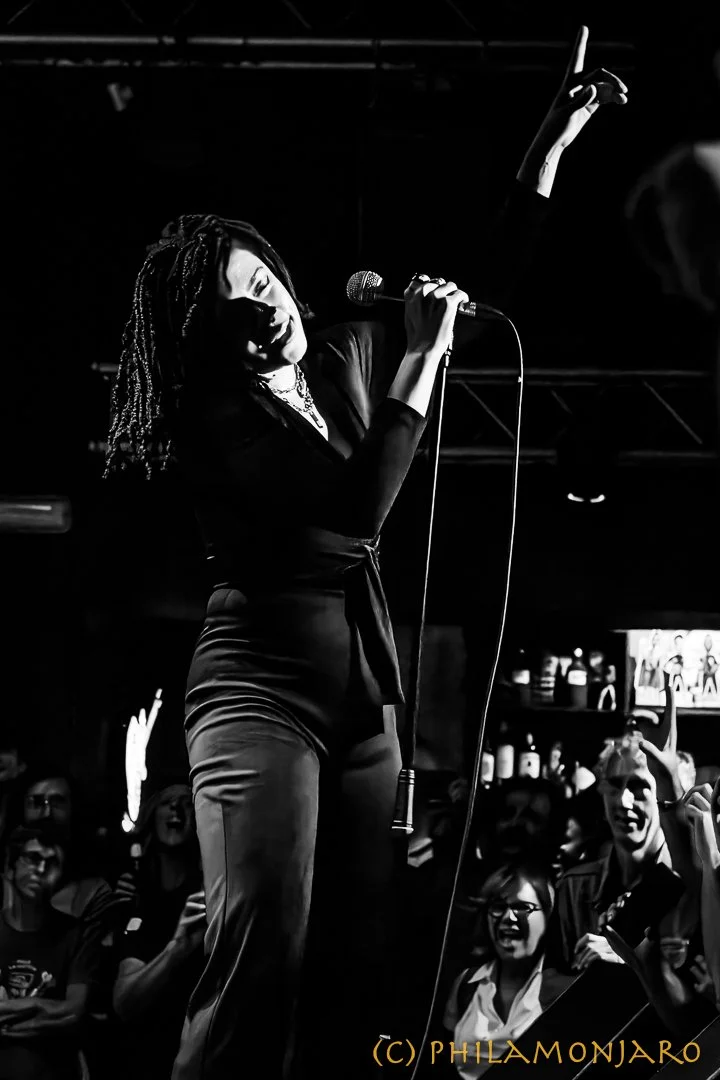
My city neighborhood was home to Buddy Guy’s Legends, Chess Records Museum, the site of V.J. Records, near The Chicago Blues Festival and The House of Blues. Places where I photographed many blues artists strengthening my bond.
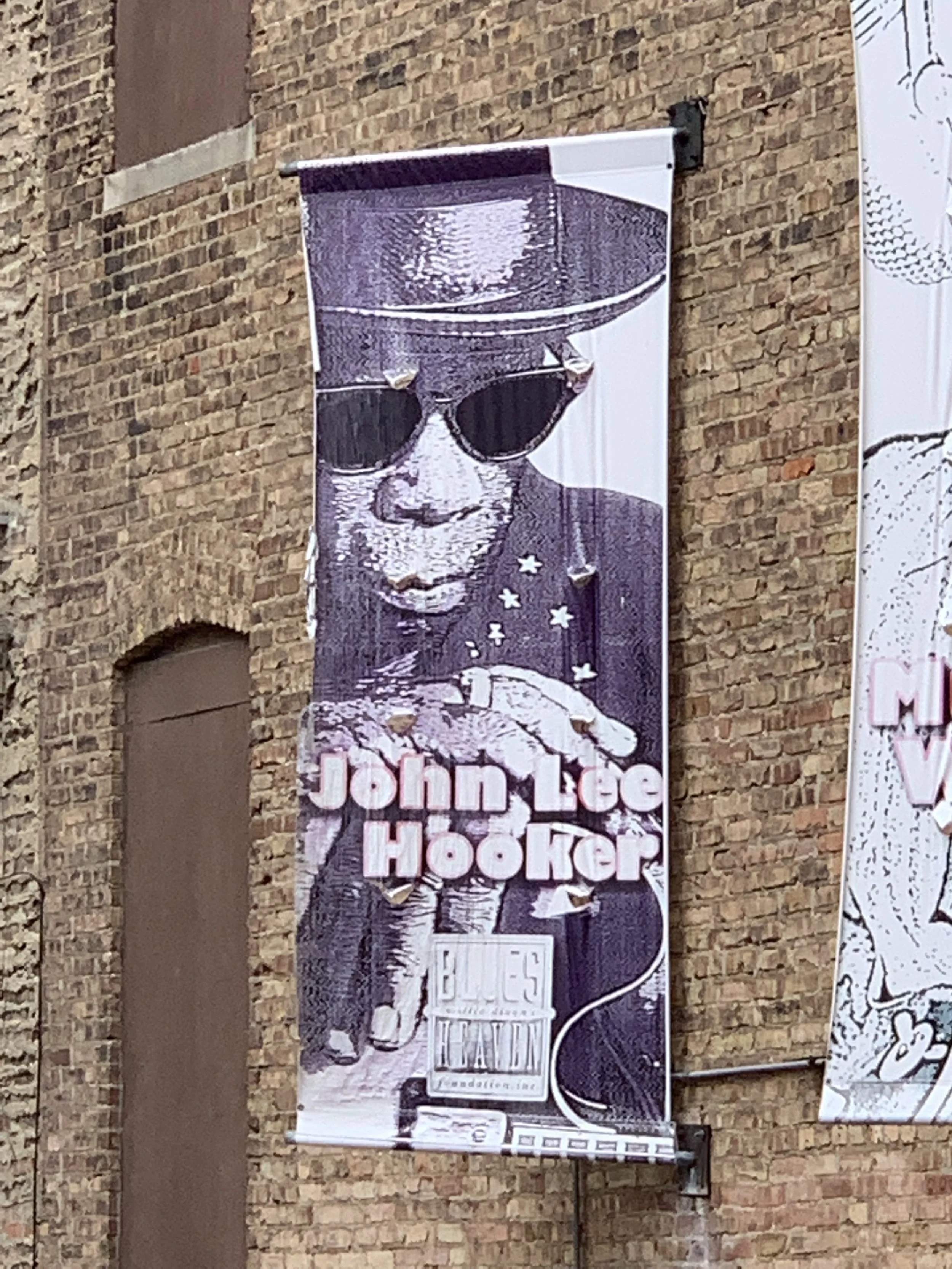
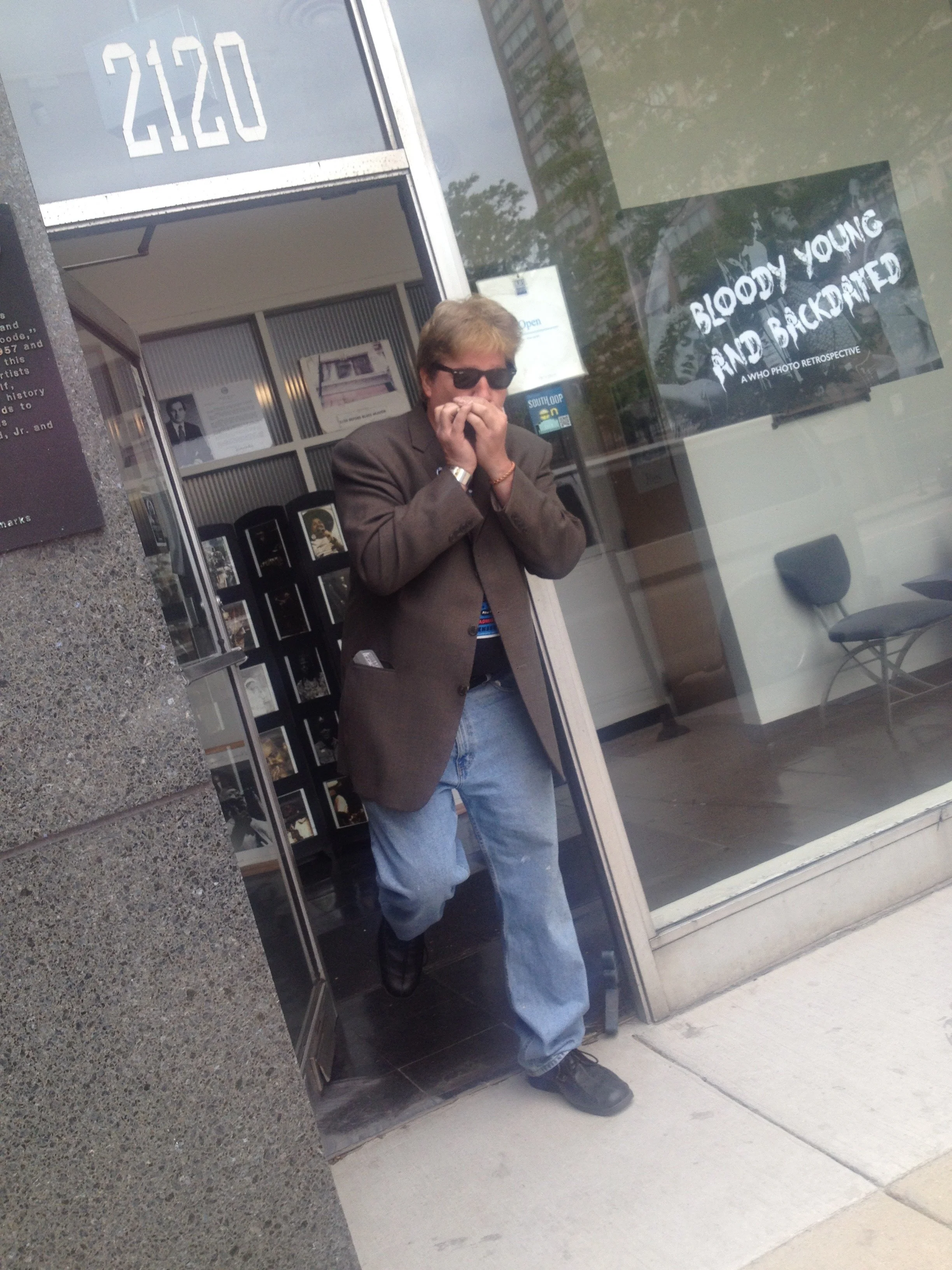
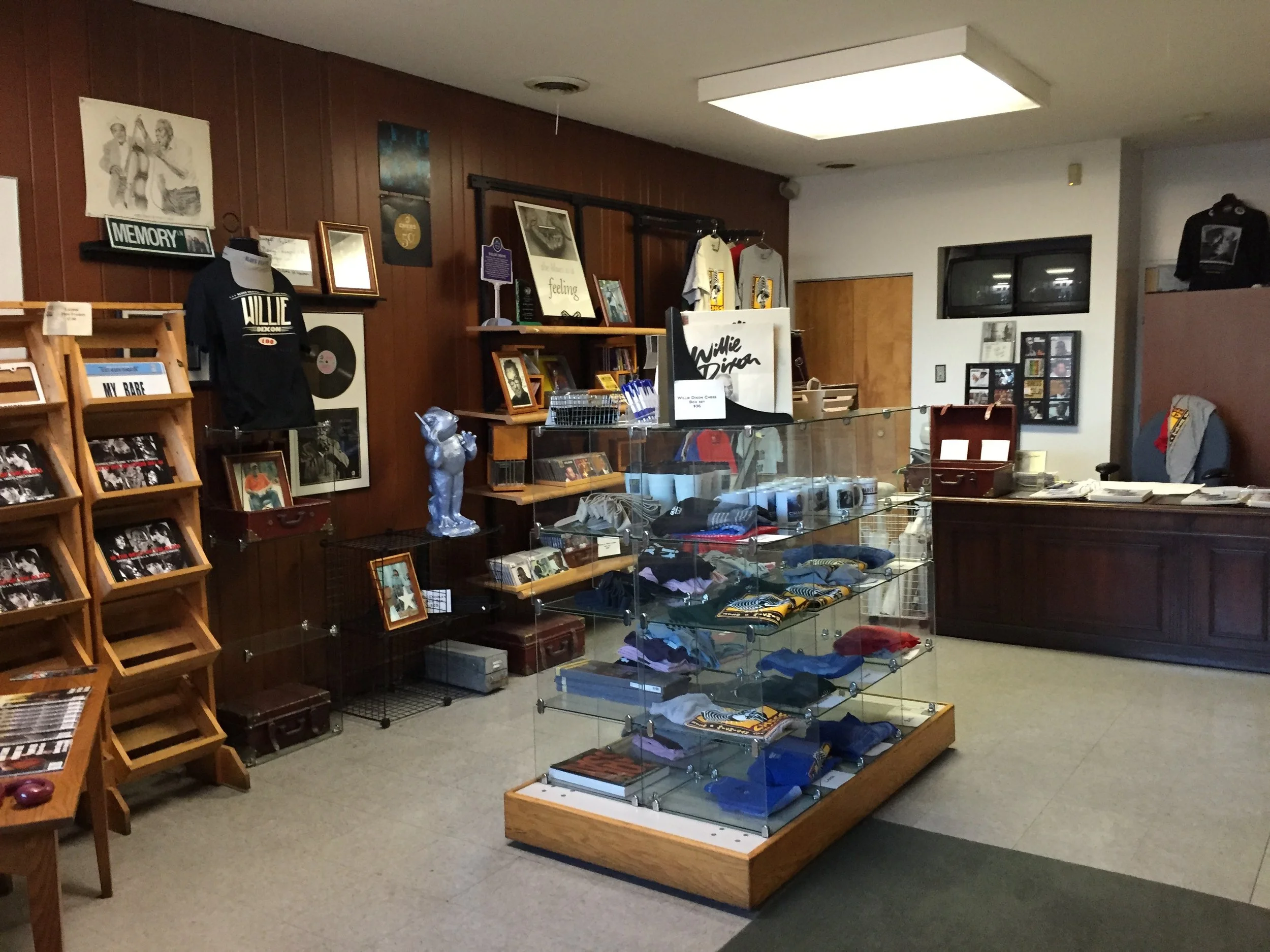
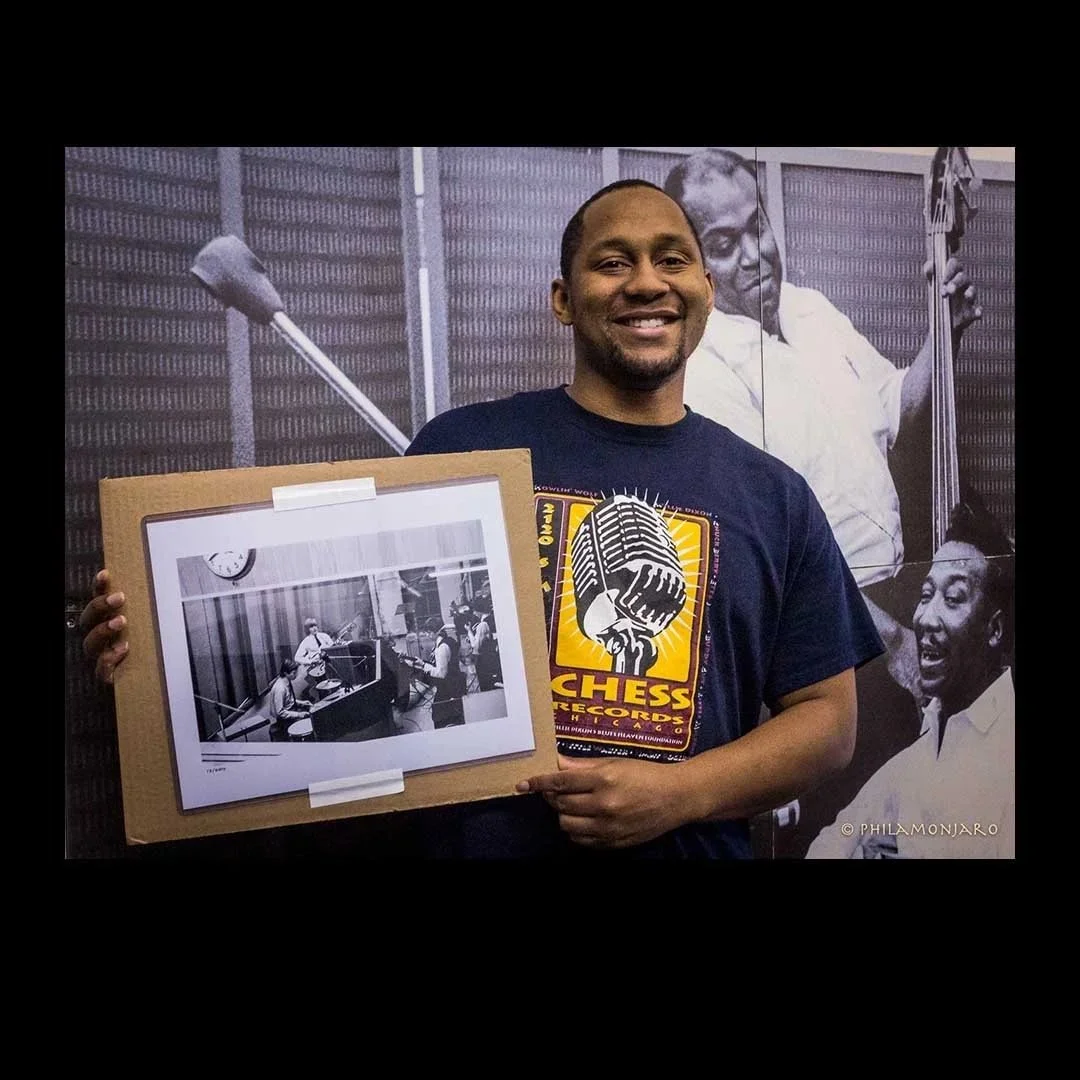
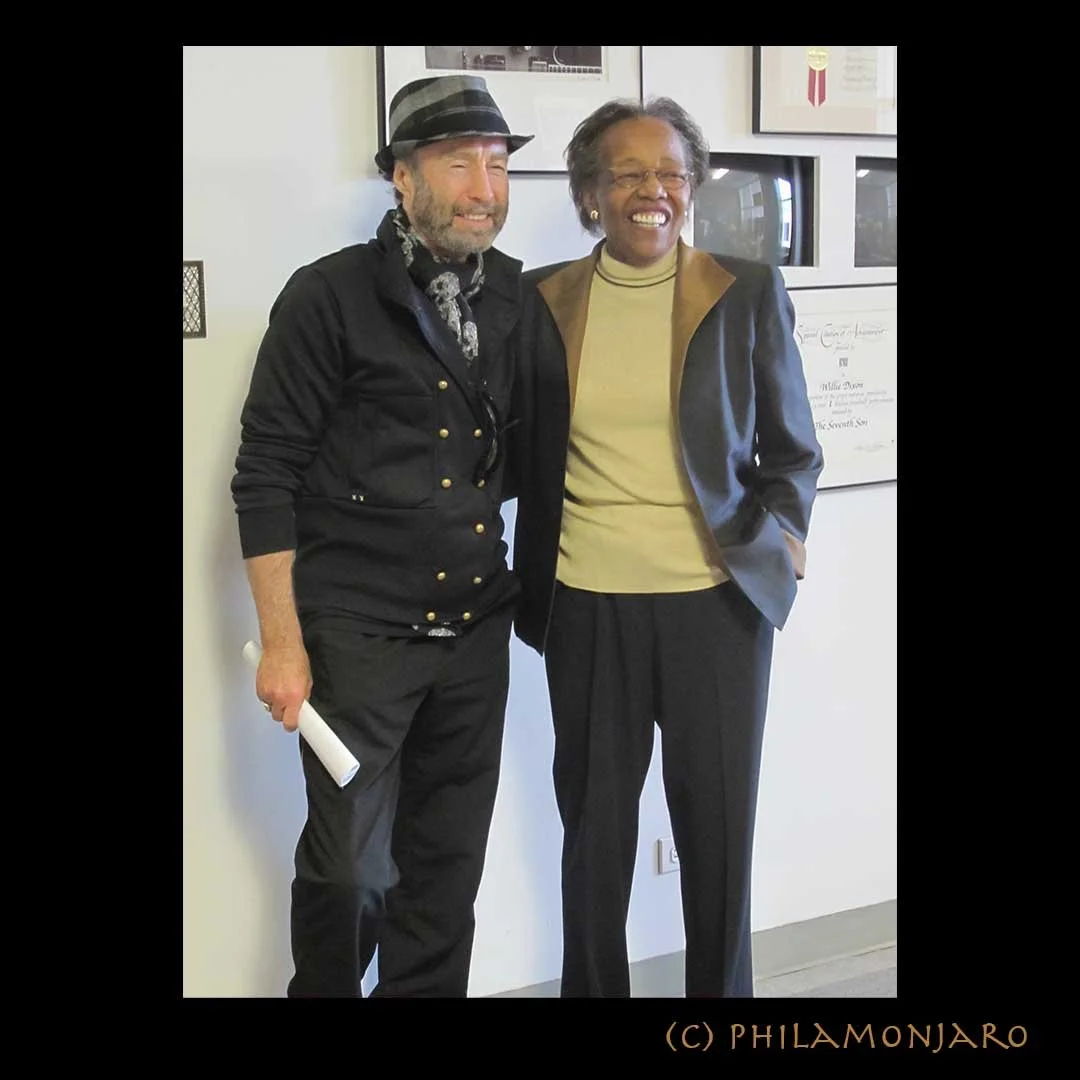
I volunteered at Chess Records Museum operated by The Willie Dixon Blues Heaven Foundation where I struck up a friendship with Willie's grandson Keith Dixon. I read the books of the Chess Brothers, Buddy Guy, Willie, and Muddy as well as purchasing many CDs like The Howlin’ Wolf and Muddy Waters London Sessions. Visitors came from around the world to this blues mecca. My highlight was spending a day while Paul Rogers of Bad Co. visited with Willie’s widow Marie Dixon. Paul’s love for the blues included a tribute recording of Muddy’s songs.
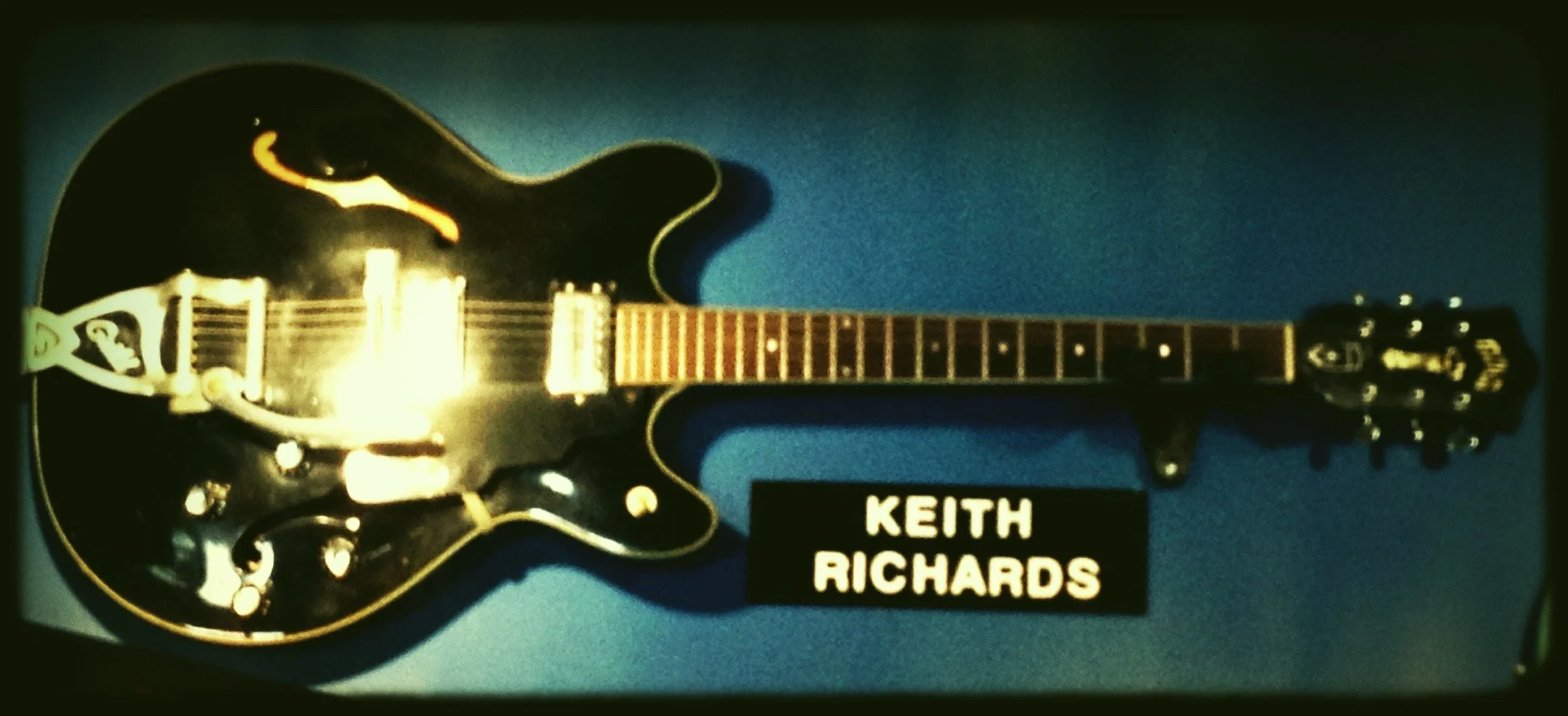
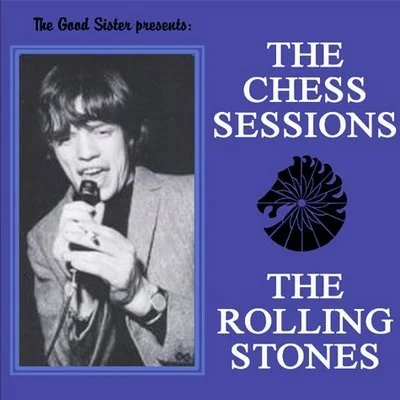
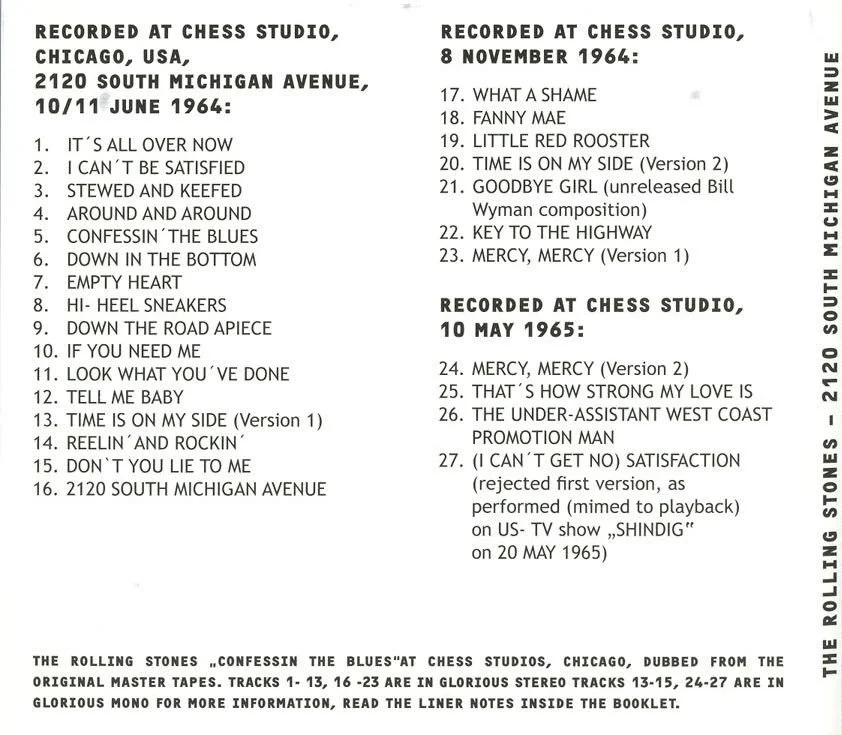
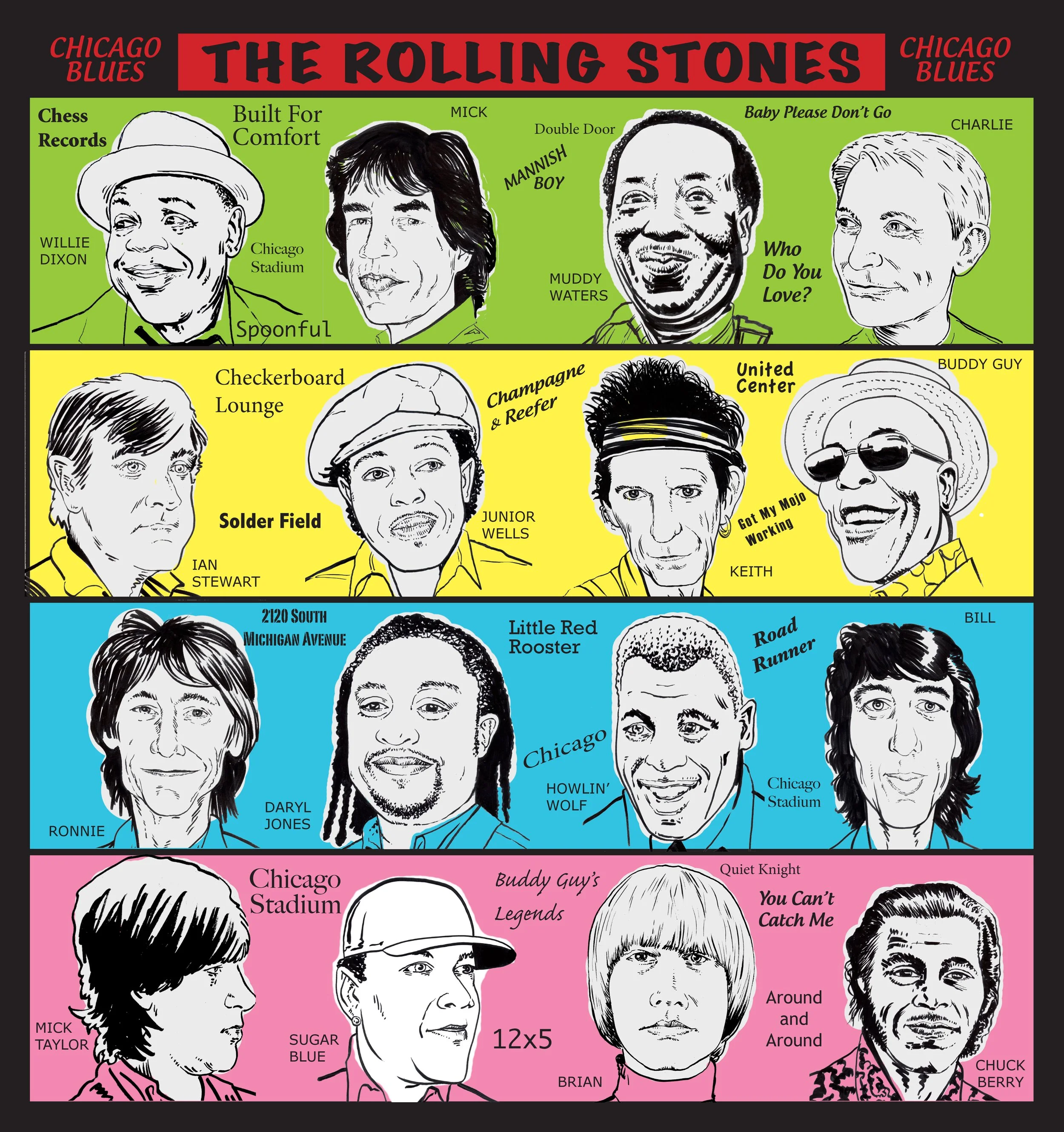
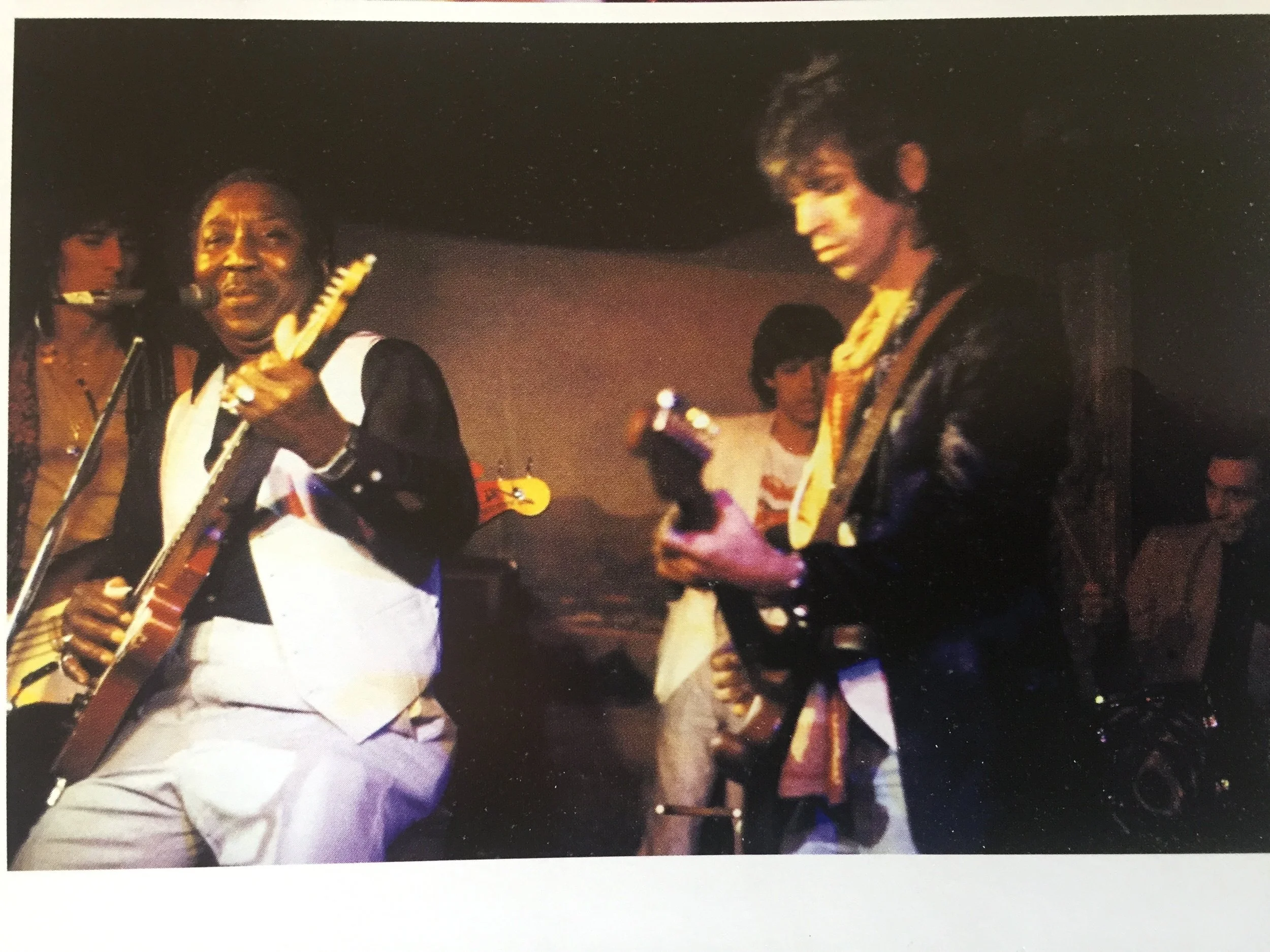
Keith Richards once stated that Chicago was his spiritual home. The Rolling Stones have a real affinity for the blues and would not be the band that they are without it. The Stones recorded at Chess Records which included a track titled 2120 South Michigan Ave, the street address of the studio. Mick, Keith and Ronnie sat in with Muddy and Willie in 1978 at The Quiet Knight after performing to a record-breaking eighty thousand fans The again in 1981 they jammed with Muddy and Left Dizz at The Checkerboard Lounge. The last time I saw Jimmy Johnson at Buddy Guy’s club, The Rolling Stones were discreetly in the corner watching the show too! That night was indelible.
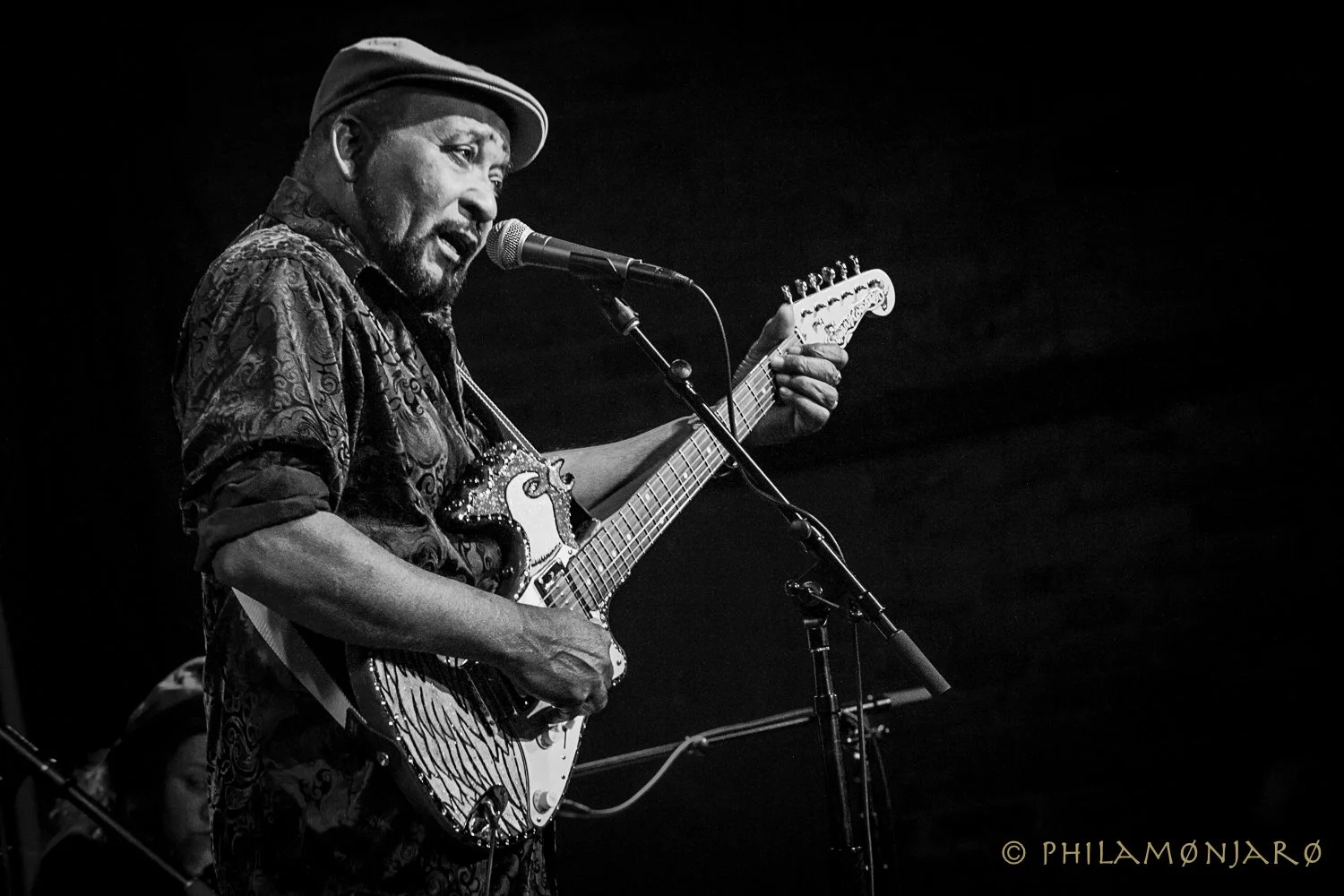
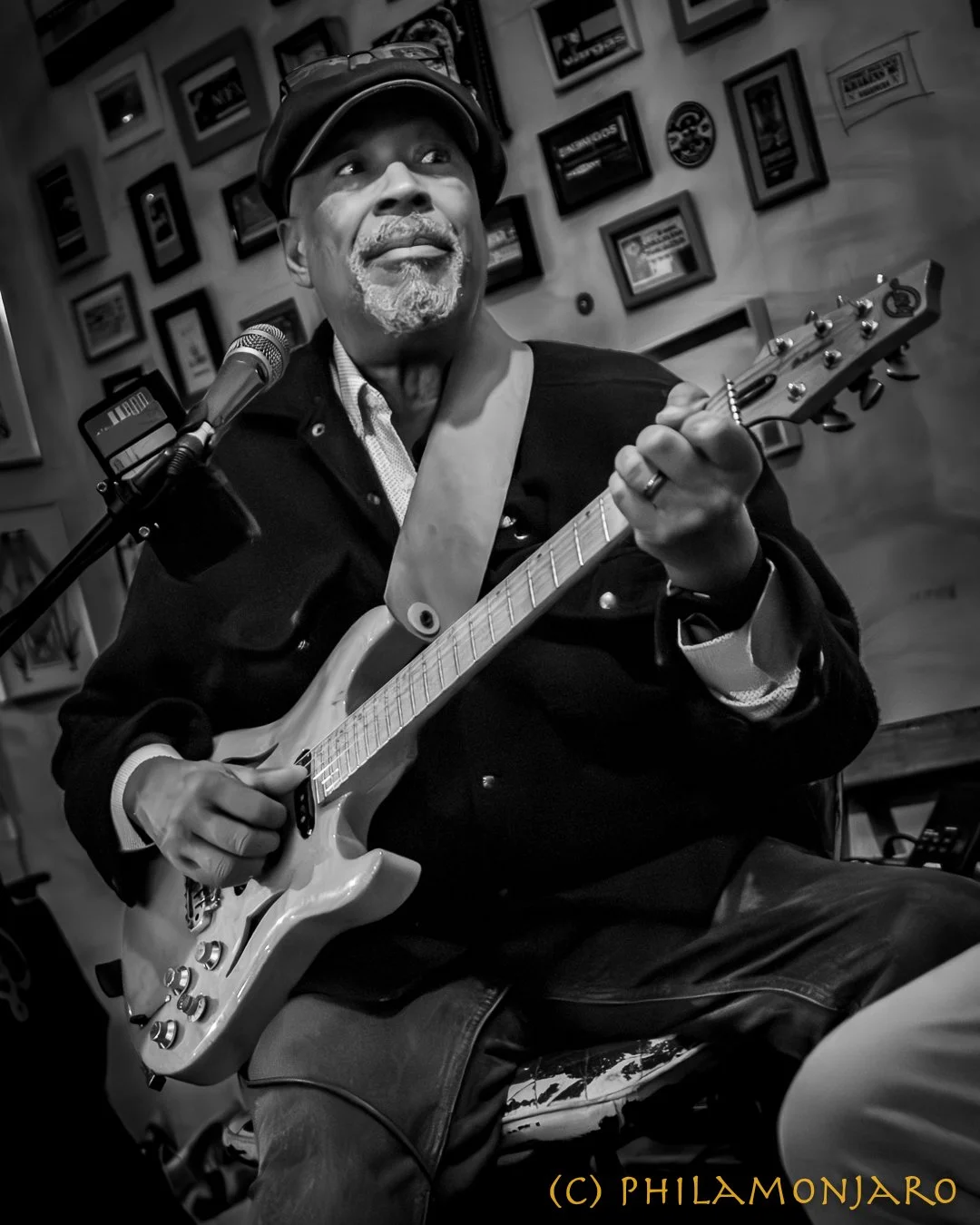
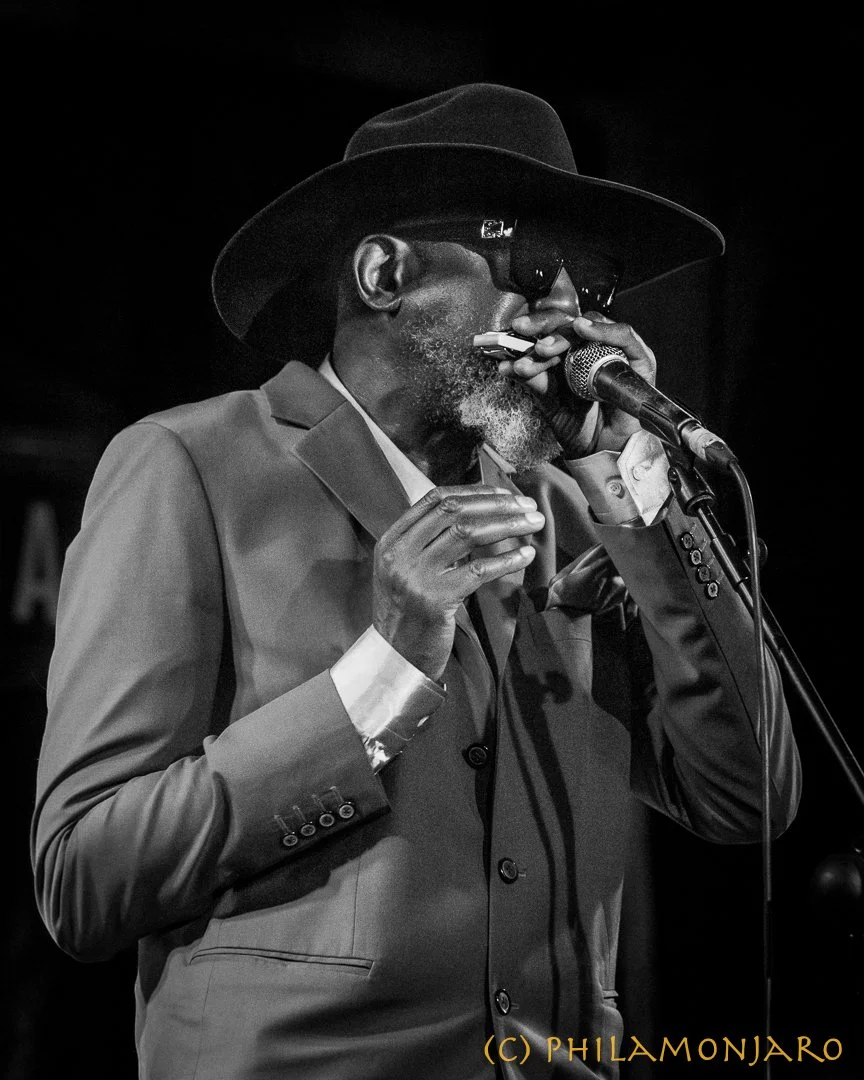
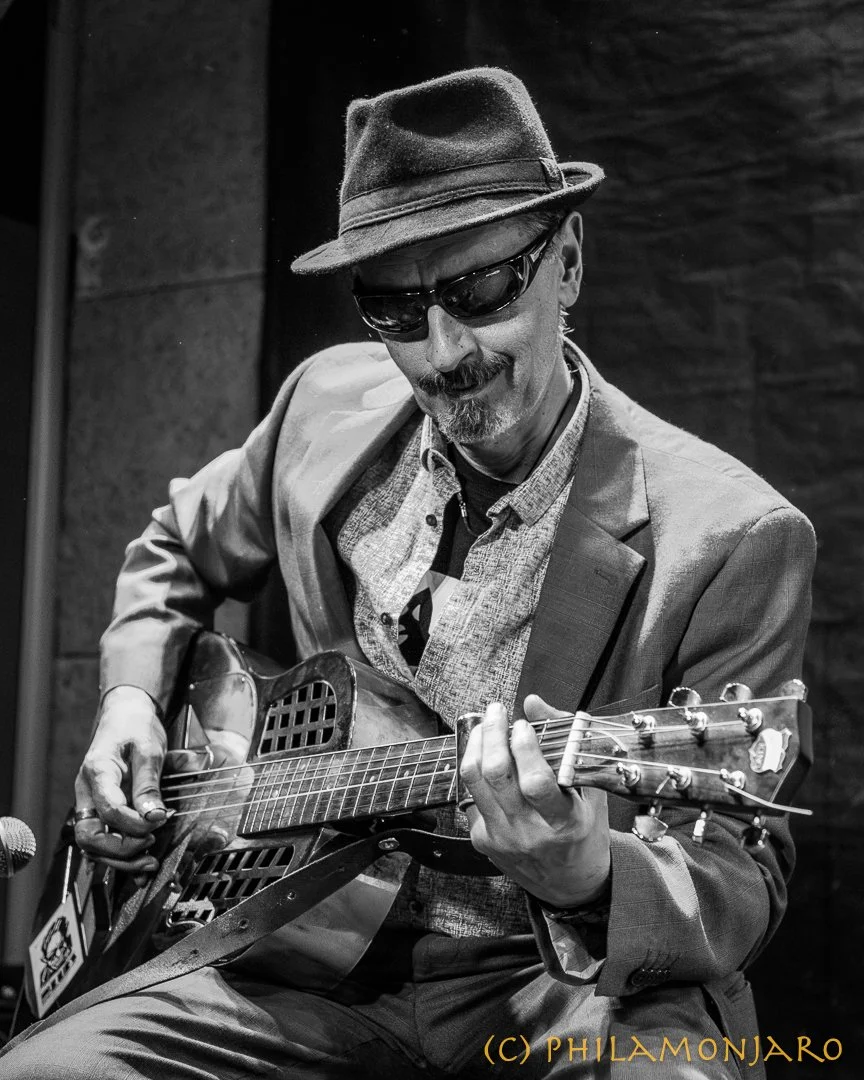
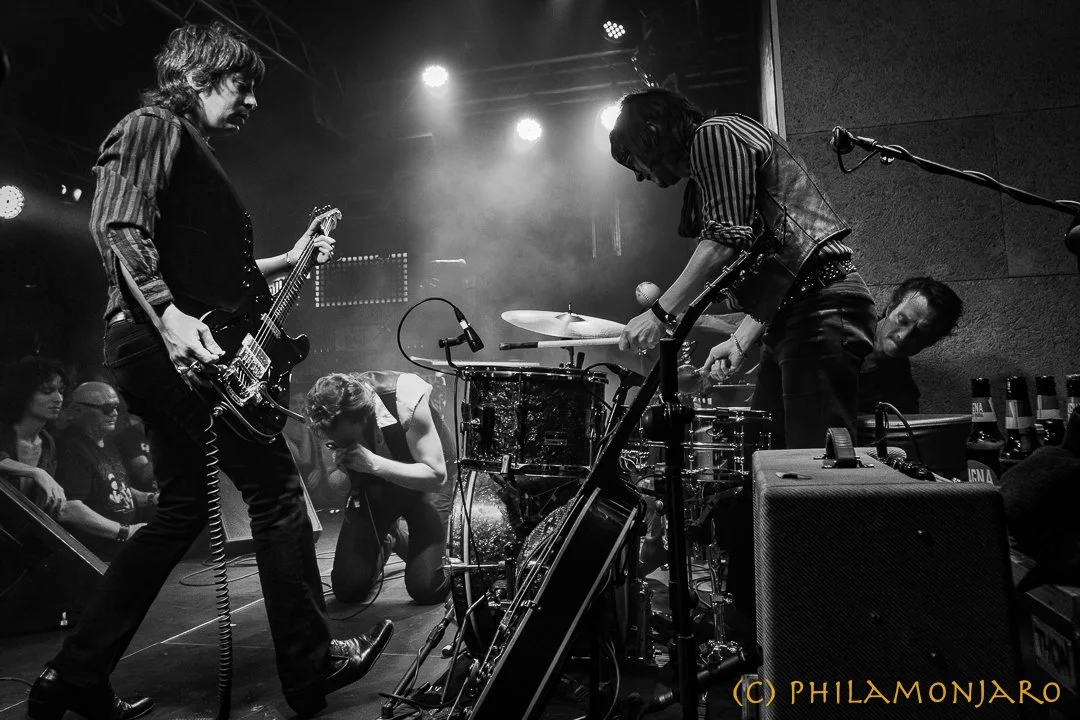
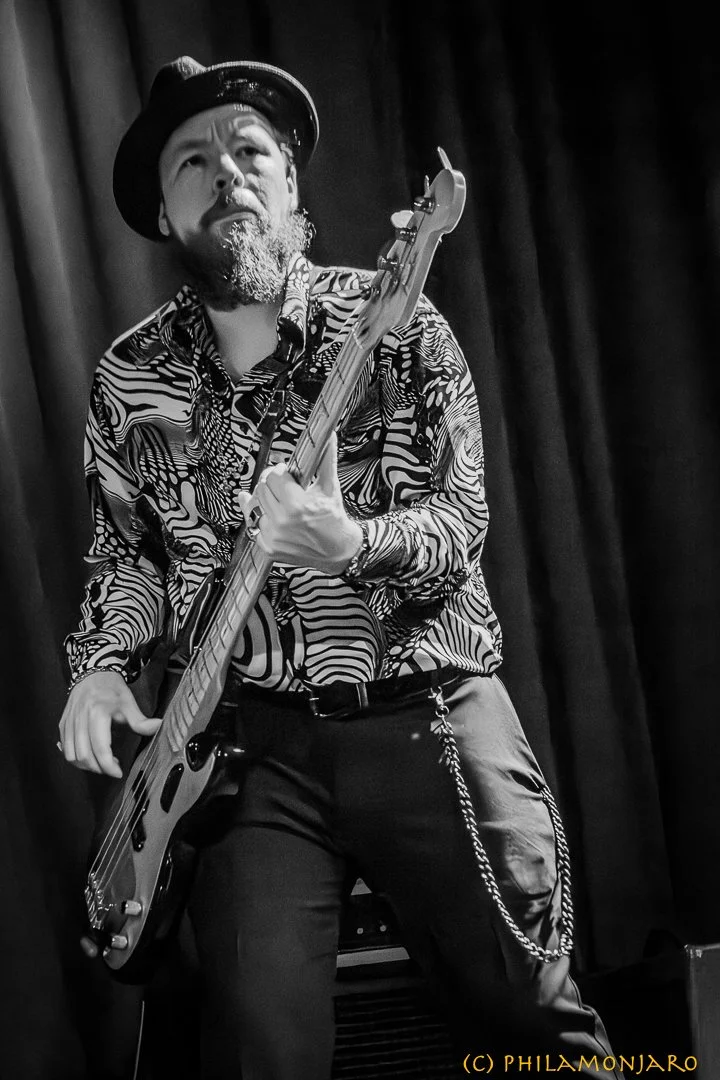
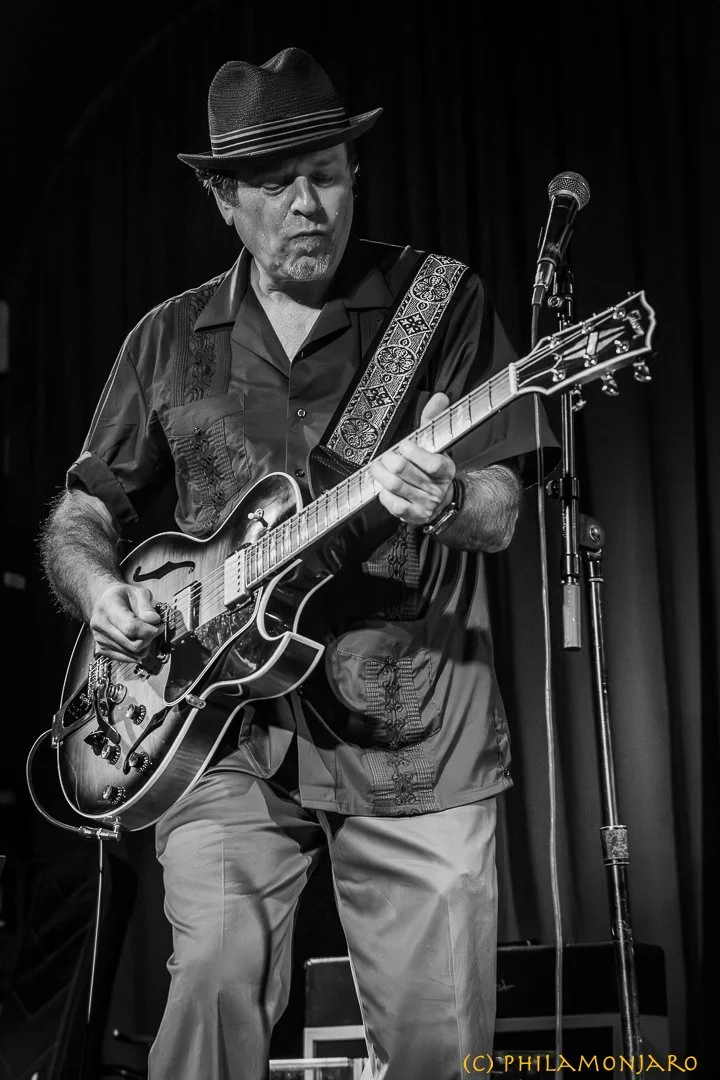
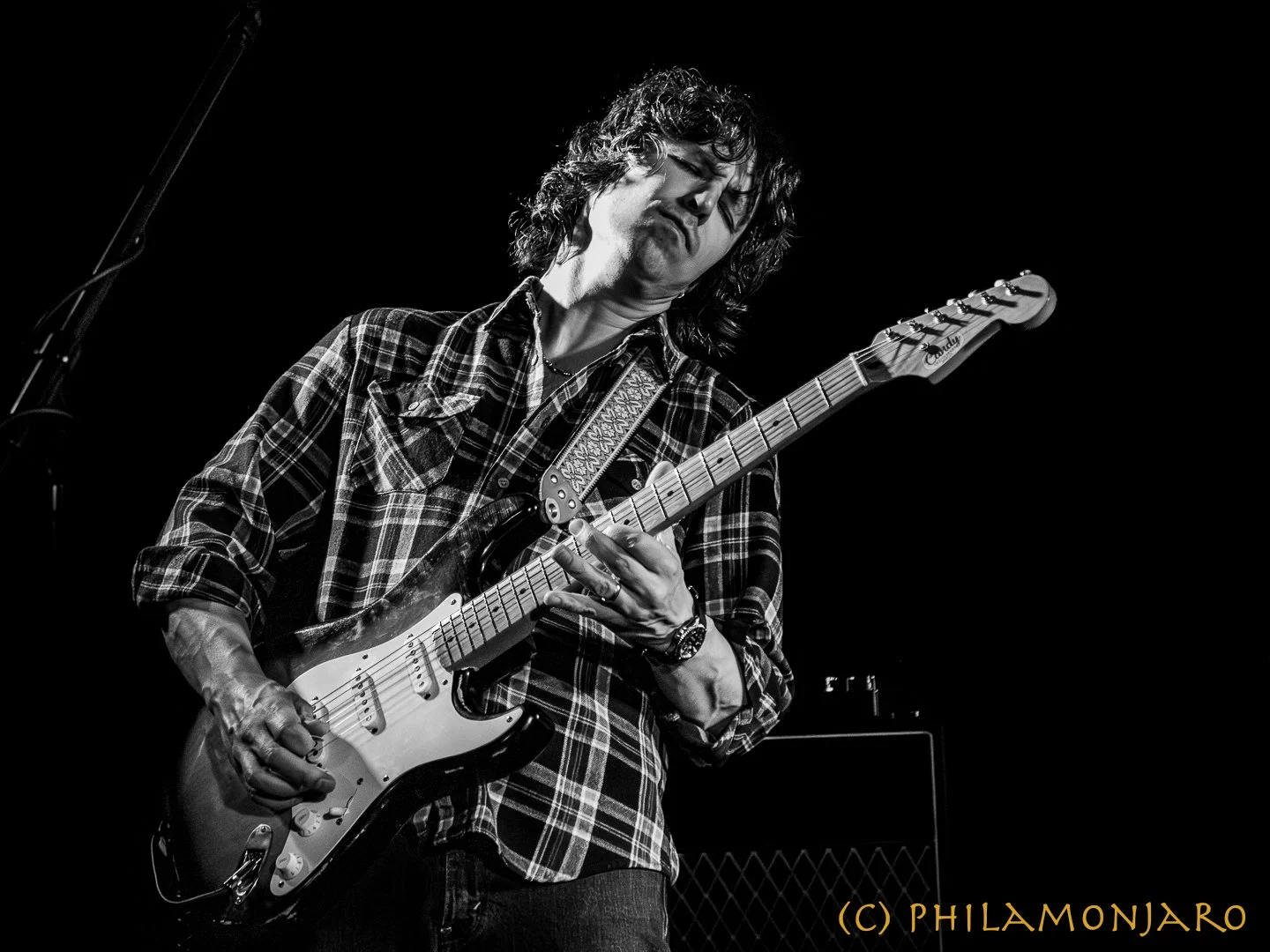
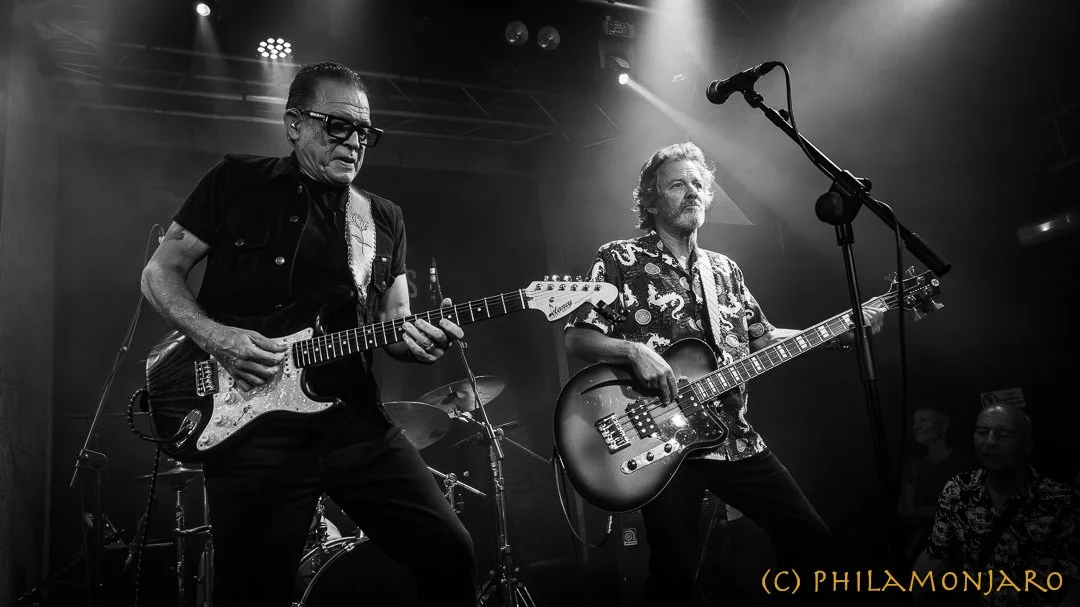
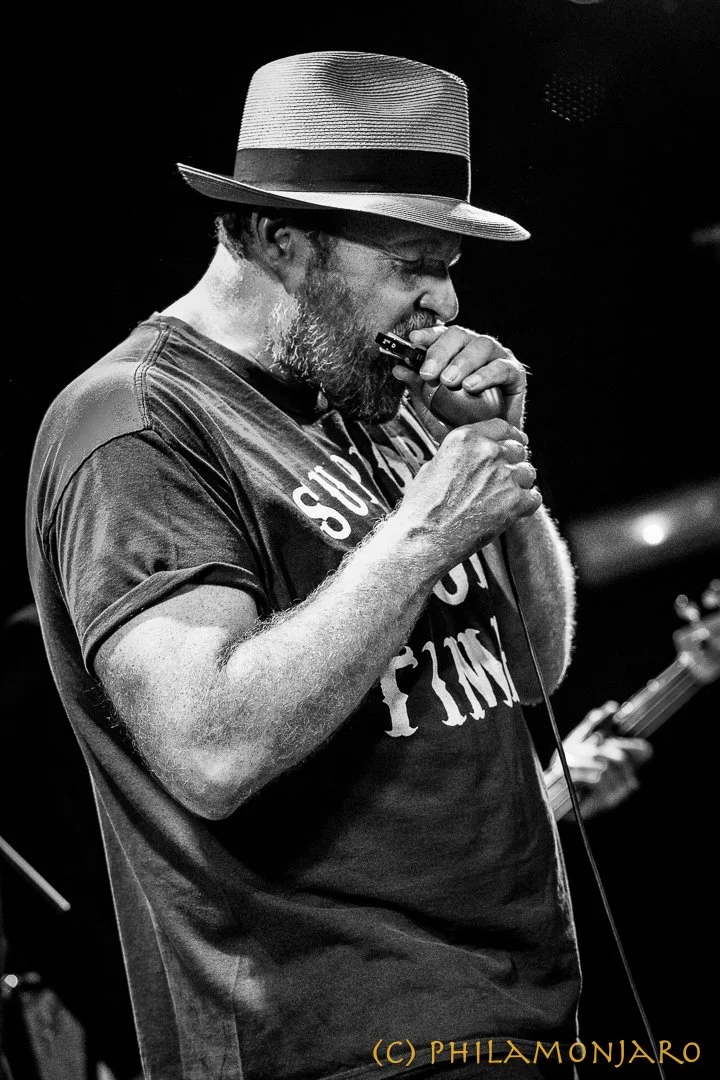
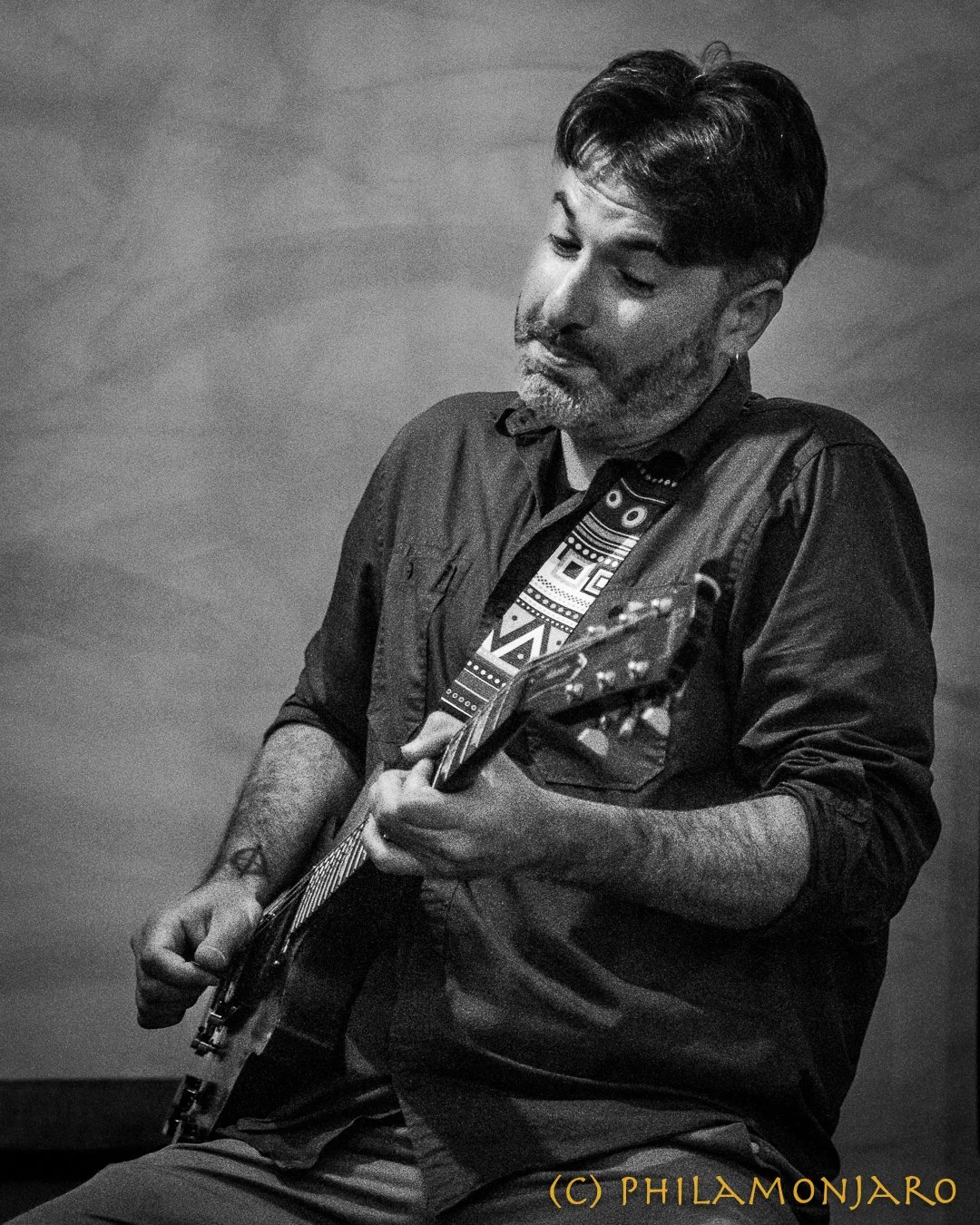
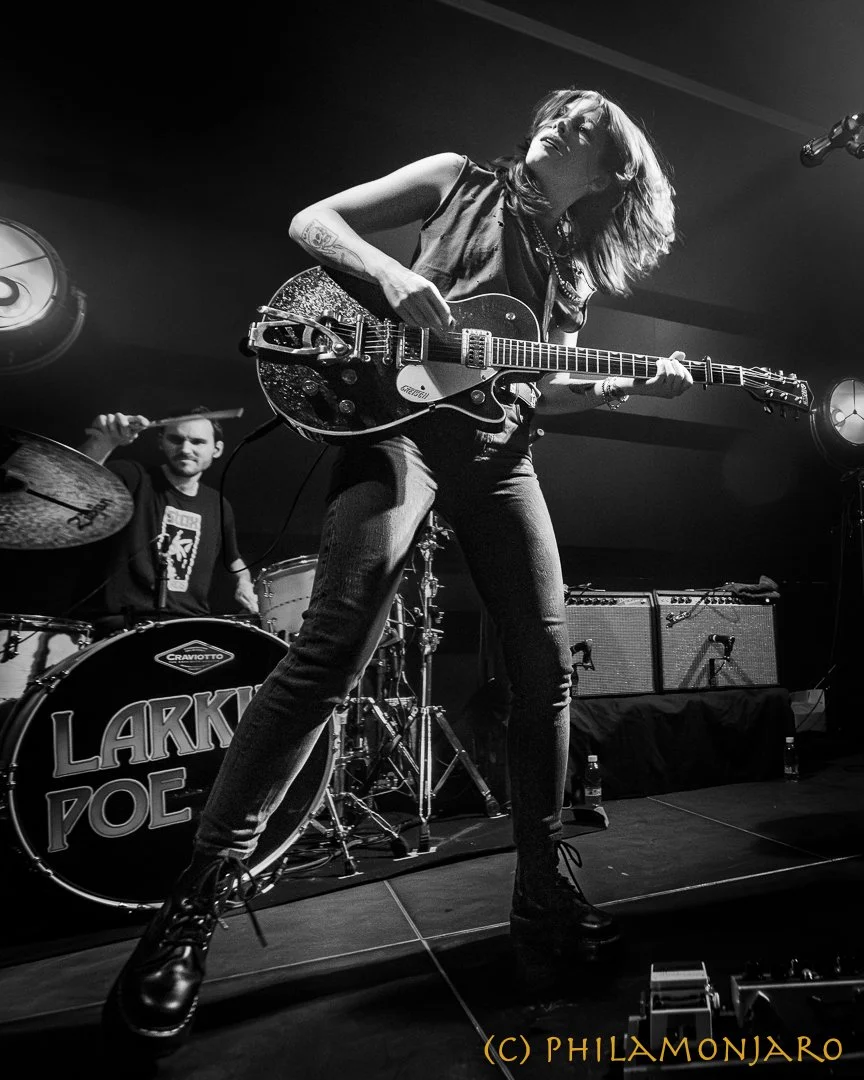
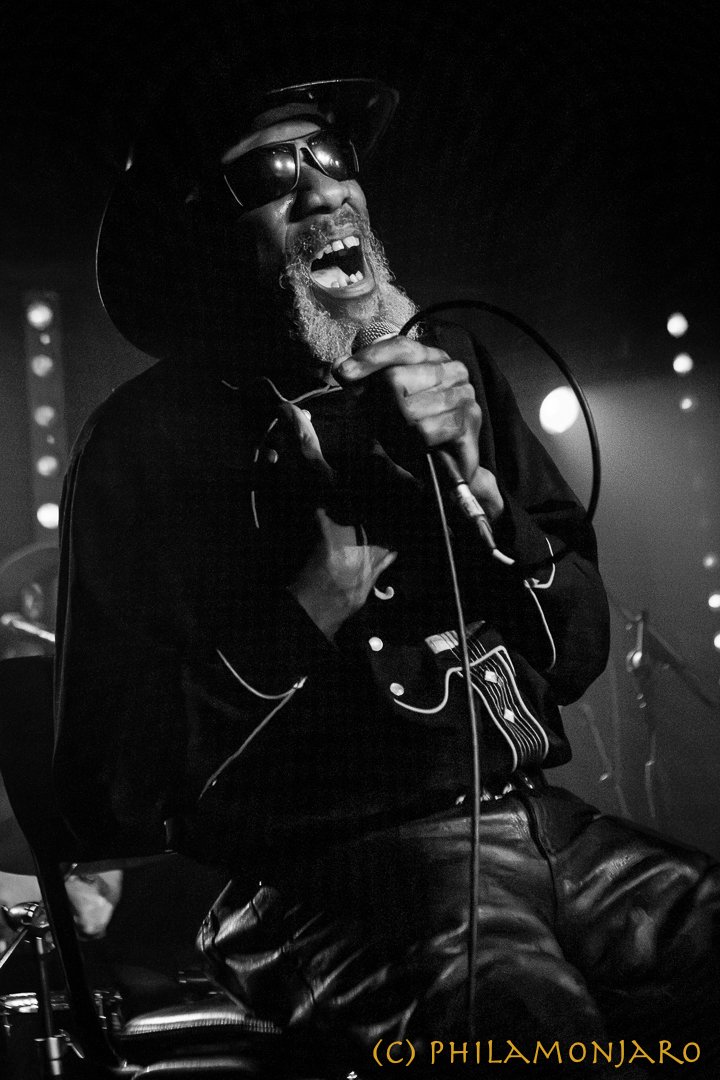
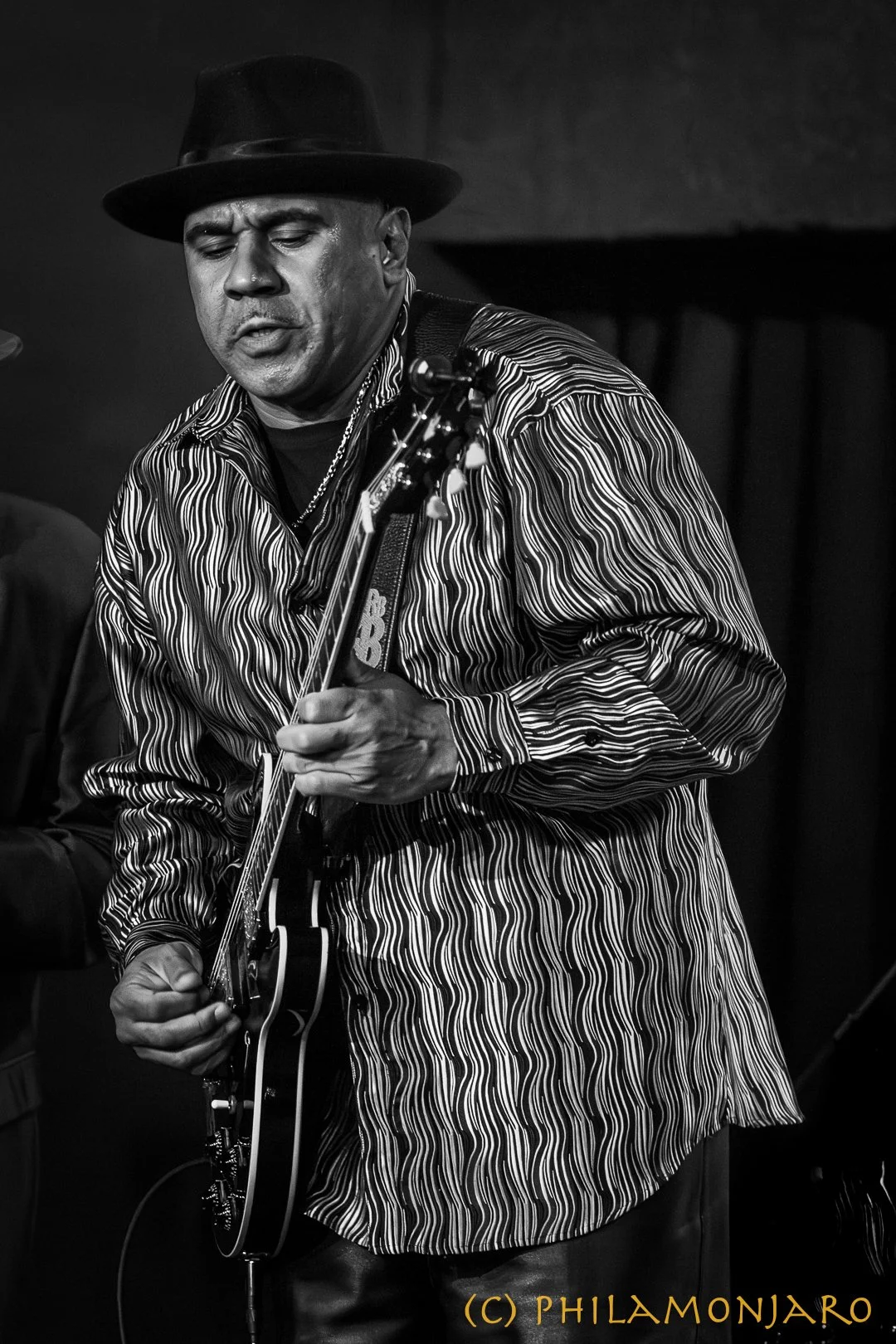
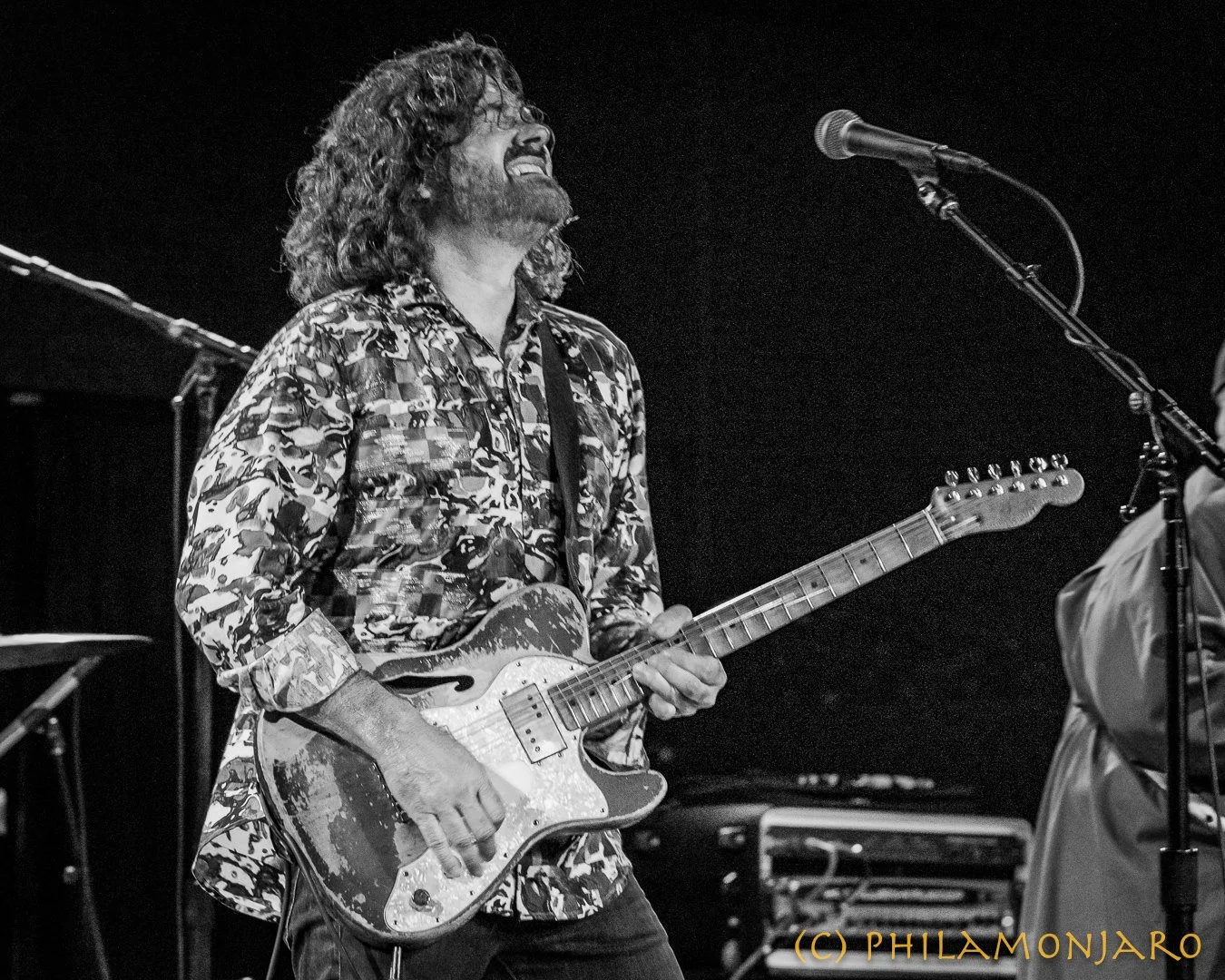
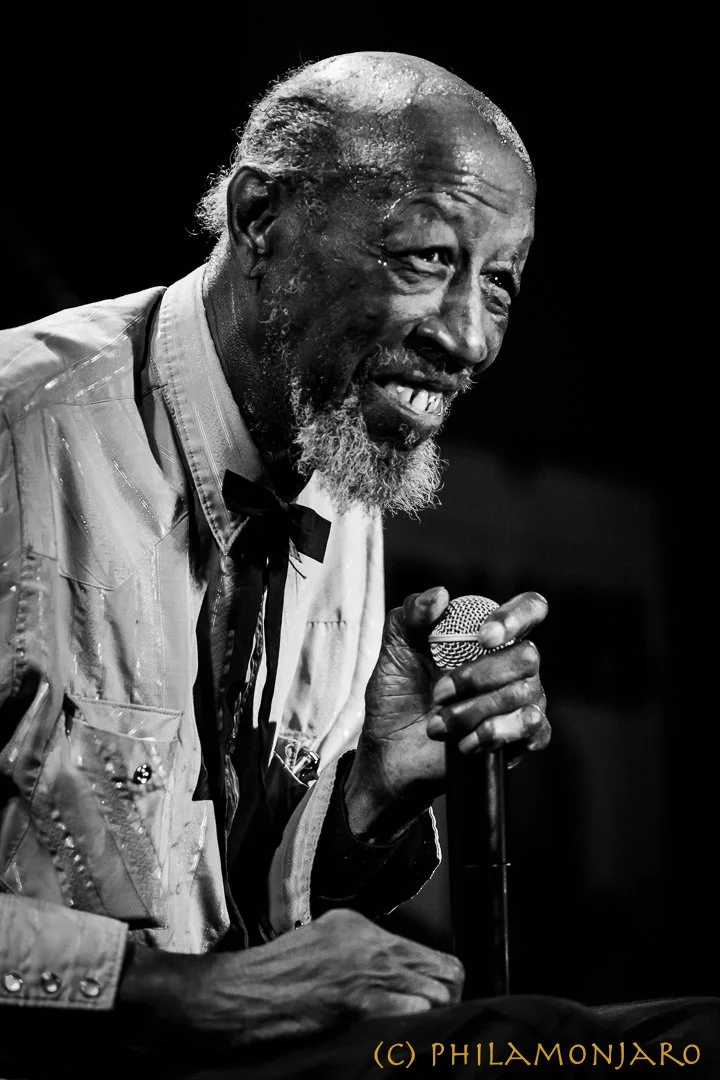
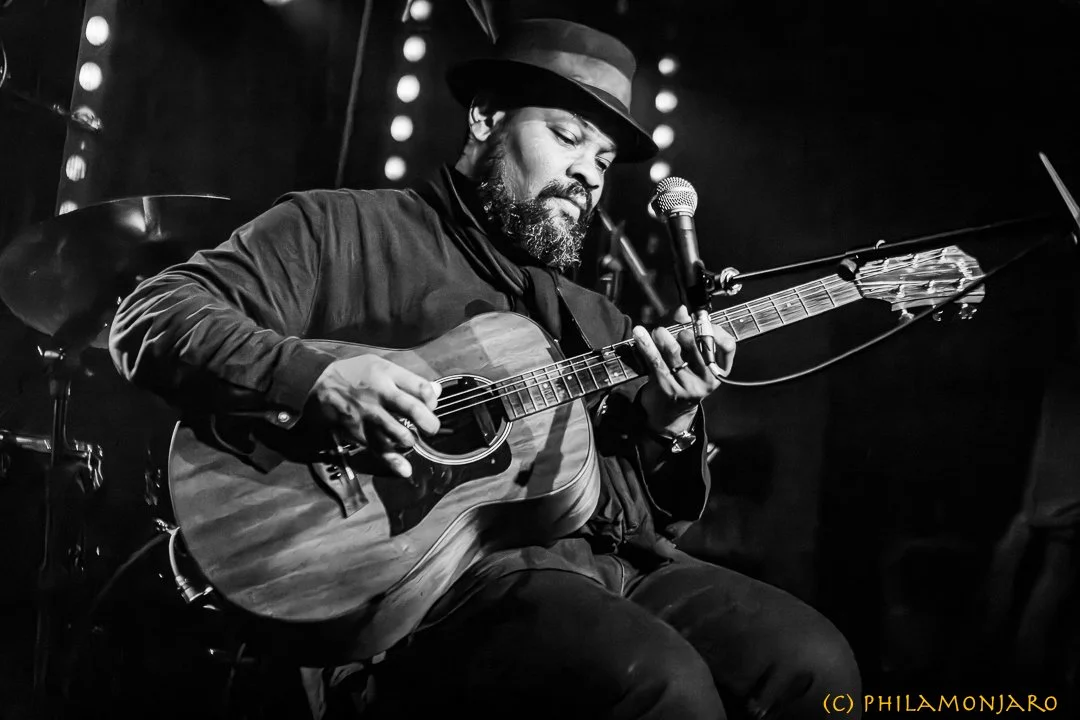
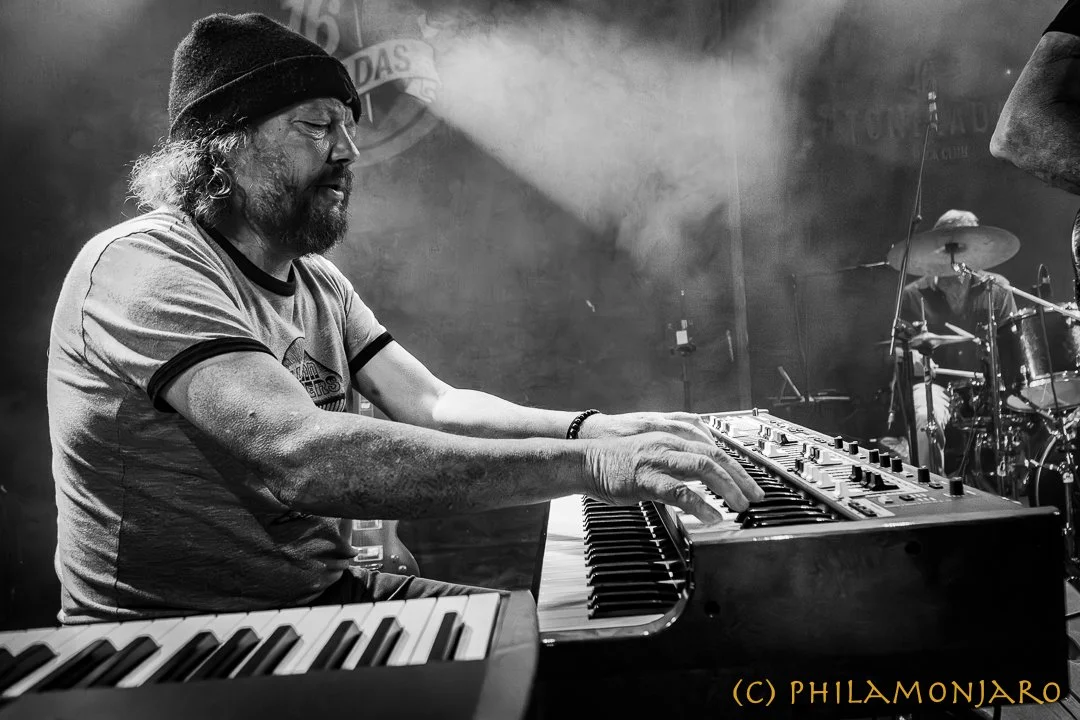
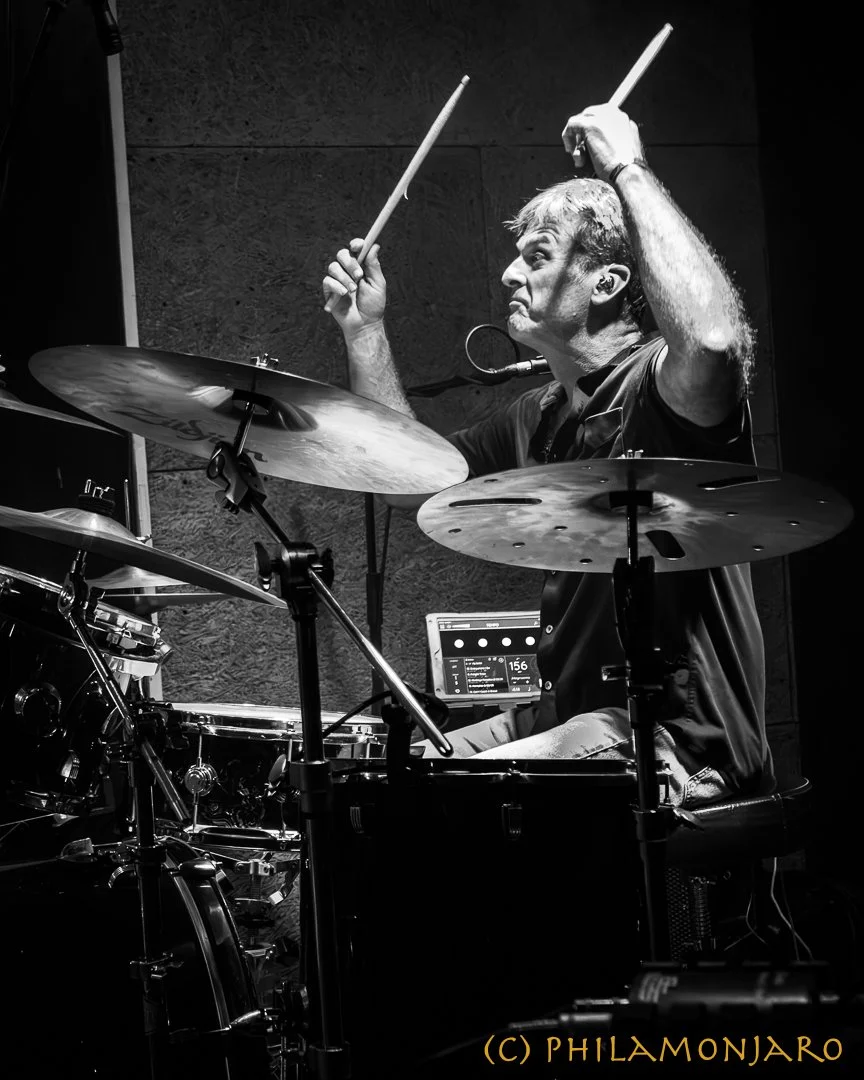
My next chapter in this blues journey is living in the country where the guitar was invented, Spain. Traditional Spanish guitar is special to me. In college I saw Andrés Segovia in concert from the first row. He was 90 years old. I had witnessed musical history. And that same style of classical guitar is what Mexican laborers brought with them to the Mississippi delta when building the railroads. And how the share coppers adopted the guitar in the early days of the blues at the river delta. My musical soul is completing a full historic circle of blues guitar.